Middle Eastern Flavors: Easy Recipes for Beginners
Embarking on a culinary journey through teh vibrant and diverse landscapes of the Middle East is an adventure that tantalizes the senses and ignites the imagination. Characterized by a harmonious blend of spices, fresh ingredients, and rich cultural traditions, Middle Eastern cuisine offers a delightful tapestry of flavors waiting to be explored. Whether you’re a kitchen novice or simply looking to broaden your culinary repertoire, this article invites you to uncover the simplicity and joy of preparing delicious Middle Eastern dishes. With easy-to-follow recipes and essential tips, you’ll find yourself confidently experimenting with new ingredients and techniques, all while savoring the warmth and hospitality that the kitchen embodies. So, roll up your sleeves and get ready to create authentic meals that transport you—no passport required!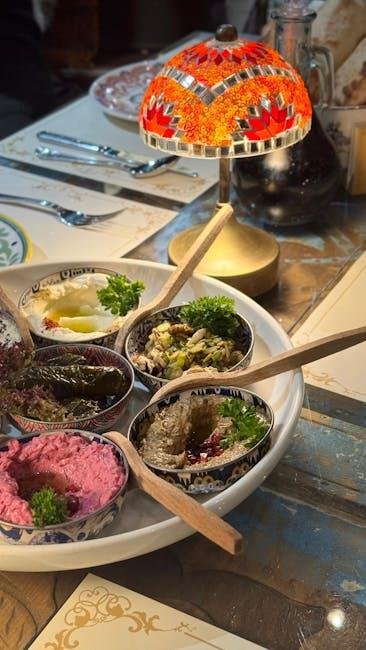
Exploring the Essence of Middle Eastern Cuisine
Middle Eastern cuisine is a vibrant tapestry woven from diverse cultures, each thread rich in history and flavor. At its core, this culinary tradition emphasizes the use of fresh, wholesome ingredients that reflect the region’s agricultural bounty. Olive oil, garlic, and spices such as cumin, coriander, and sumac are common, lending their distinct aromas and tastes to a variety of dishes. The balance between spice and subtlety is crucial, often achieved through techniques like marinating meats or slow-cooking stews. Many middle Eastern recipes invite you to experiment, often inviting a fusion of flavors that dance on your palate.
Popular staples in the realm of Middle Eastern cooking include hummus, falafel, and tabbouleh, each offering a unique taste and texture that appeals to a wide audience. These dishes are not only delicious but also serve as a gateway for beginners to dive into this rich culinary landscape. When preparing a meal, consider the following essentials:
| Ingredient | Purpose |
|---|---|
| Chickpeas | Base for hummus and falafel |
| Parsley | Adds freshness to salads |
| Yogurt | Serves as a cooling dip and marinade |
| Lemon juice | Enhances flavor and brightness |
| Spices | Provides depth and warmth to dishes |
Essential Ingredients to Stock in Your Pantry
To embark on your culinary journey through Middle Eastern cuisine, having the right pantry staples is essential. These ingredients not only serve as the backbone of many customary recipes but also help in creating authentic flavors with ease. Focus on stocking these key components:
- olive Oil: A versatile fat used for dressing, frying, and flavoring dishes.
- Spices: Cumin, coriander, sumac, and za’atar are vital for that aromatic kick.
- Legumes: Lentils and chickpeas are perfect for soups, salads, and stews.
- Rice: Long-grain varieties like basmati are ideal for pilafs and side dishes.
- Tomato Paste: Adds depth and richness to stews and sauces.
in addition to these essentials, consider exploring unique ingredients that can elevate your dishes. Items such as harissa (a spicy chili paste), pomegranate molasses (for a sweet-tart flavor), and tahini (a sesame seed paste) are fantastic for creating distinctive Middle Eastern tastes.check out the table below for a rapid guide on how these ingredients can enhance your meals:
| Ingredient | Usage |
|---|---|
| Harissa | Use in marinades or as a condiment. |
| Pomegranate molasses | Drizzle over salads or use in glazes. |
| Tahini | Blend into dips or dressings for creaminess. |

Simple Step-by-Step Recipes for Iconic Dishes
Exploring Middle Eastern cuisine can be an adventure filled with vibrant flavors and aromatic spices,perfect for beginners eager to impress. Start with these simple recipes that bring the essence of the region right to your kitchen. Begin by making hummus—a delightful chickpea dip that pairs beautifully with pita bread or fresh vegetables.To whip it up:
- Ingredients: 1 can of chickpeas, 2 cloves of garlic, 1/4 cup tahini, 2 tablespoons olive oil, juice of 1 lemon, salt to taste.
- Instructions: Blend the chickpeas, garlic, tahini, olive oil, lemon juice, and salt until smooth. Adjust seasoning as needed and serve with a drizzle of olive oil.
Next, try your hand at crafting Shawarma Chicken; it’s both easy to prepare and packed with flavor. This dish brings the street food experience right into your home. Here’s how:
- Ingredients: 500g chicken thighs, 3 cloves of garlic, 1 tablespoon cumin, 1 tablespoon paprika, 2 tablespoons yogurt, juice of 1 lemon, salt, and pepper.
- Instructions: Marinate the chicken with all ingredients for at least 1 hour. Grill or sauté until cooked through, then slice thinly and serve in pita with fresh veggies.
For a complete meal, pair your dishes with a refreshing fattoush Salad. Combine chopped cucumbers, tomatoes, radishes, and crispy pieces of pita. Dress with a mixture of olive oil, lemon juice, and sumac for that authentic taste.
| Dish | Preparation Time | Cooking Time |
|---|---|---|
| Hummus | 5 minutes | 0 minutes |
| Shawarma Chicken | 10 minutes | 20 minutes |
| fattoush Salad | 15 minutes | 0 minutes |
Tips for Perfecting Authentic Middle Eastern Flavors
To truly capture the essence of Middle Eastern cuisine, focus on using the freshest and highest quality ingredients. olive oil, herbs, and spices play a notable role in enhancing flavors. When selecting olive oil, choose extra virgin for its rich taste and aroma. Fresh herbs like parsley,mint,and coriander not only add vibrant color but also elevate the flavor profile of your dishes. For spices, develop a well-stocked pantry with essentials such as cumin, cardamom, cinnamon, and za’atar. These ingredients can transform simple meals into delightful culinary experiences.
Another significant aspect is mastering the art of layering flavors. Start by sautéing onions and garlic until they’re golden, then add spices to release their oils, creating a fragrant base for stews or sauces. Consider marinating proteins with yogurt, lemon, and spices for tender, flavorful results.Additionally, don’t shy away from incorporating nuts and dried fruits, as they provide an interesting texture and depth of flavor.A table of classic combinations can serve as a handy reference:
| Ingredient | Pairing |
|---|---|
| Chickpeas | Parsley, Tahini |
| Eggplant | Garlic, Yogurt |
| Rice | Nuts, Dried Fruits |
| Lamb | Mint, Cumin |
Final Thoughts
Embracing the Flavors of the Middle East
As our culinary journey through the aromatic landscapes of the Middle East comes to a close, we hope you feel inspired to dive into these vibrant flavors that have captivated taste buds for centuries. With the easy recipes presented here, cooking Middle Eastern dishes at home can be an enjoyable and rewarding experience, even for beginners.
Each recipe offers not just a meal, but an invitation to explore the rich tapestry of cultures, traditions, and histories that influence these delightful cuisines. From the warm embrace of spices to the fresh brightness of herbs, every dish is a story waiting to be told—and savored.
So, don your apron, gather your ingredients, and let the inviting scents of cumin, coriander, and za’atar transport you to distant lands. Remember, cooking is not just about the end result but the joy found in the process. As you experiment and play with these recipes, you’ll discover that the heart of Middle Eastern cuisine lies in sharing, gathering, and celebrating together around a table.
now, let your culinary adventure begin!