Welcome to the world of culinary craftsmanship,were the right tools can transform everyday cooking into an art form. As you embark on your journey in the kitchen,the array of kitchen knives available might seem overwhelming. From paring to chef’s knives, each blade has its own unique purpose, designed to enhance your culinary experience. This buyer’s guide aims to demystify the selection process for beginners, offering insights into the types of knives, essential features, and tips for making an informed purchase. Whether you’re preparing a simple meal or experimenting with gourmet dishes, understanding the nuances of kitchen knives will empower you to chop, slice, and dice with confidence. Join us as we cut through the confusion and help you find the perfect knife for your culinary adventures.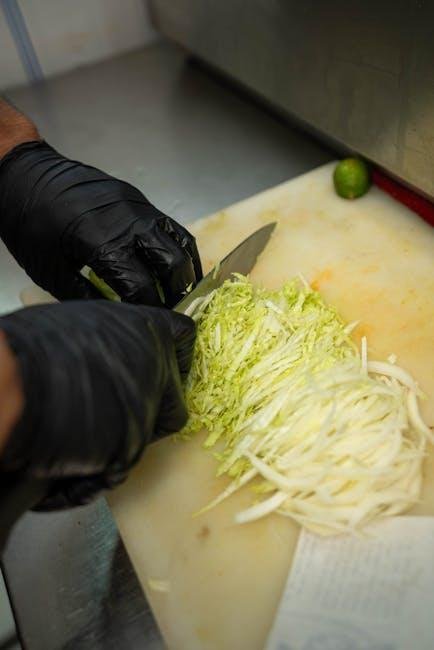
Understanding the Essentials of Kitchen Knife Types
When diving into the world of kitchen knives, it’s essential to familiarize yourself with the diverse types available and their specific functions. Chef’s knives are versatile all-rounders, perfect for chopping, slicing, and dicing various ingredients.Paring knives, on the other hand, are ideal for more delicate tasks, such as peeling fruits and trimming vegetables.Serrated knives excel at slicing through breads and pastries, while boning knives help to maneuver around bones with ease. To give you an even clearer picture, consider the table below showcasing the primary knife types and their roles:
| Knife Type | primary Use |
|---|---|
| Chef’s Knife | All-purpose chopping and slicing |
| Paring Knife | Peeling and intricate cutting |
| Serrated Knife | Slicing bread and soft items |
| Boning Knife | Removing bones from meat and fish |
Aside from blade types, materials also substantially impact performance and longevity. A stainless steel knife is prized for its durability and resistance to rust,making it a preferred choice for manny home cooks. Alternatively, carbon steel knives offer remarkable sharpness and edge retention, though they require more maintenance to prevent corrosion. The handle material also varies, with options such as wood, plastic, and metal, each offering unique comfort and grip advantages. When selecting your kitchen knives, prioritizing your cooking style and preferences will help you create a collection tailored to your needs.
Choosing the Right Material for Your Knives
When selecting the perfect material for your kitchen knives, it’s essential to consider both performance and maintenance. Among the most common materials used for knife blades are stainless steel, carbon steel, and ceramic. Each brings its own advantages and drawbacks, catering to different cooking styles and preferences. For instance:
- Stainless Steel: Known for its resistance to rust and staining, it is a popular choice for those looking for durability and low maintenance.
- Carbon Steel: Loved by professional chefs for its superior sharpness and edge retention, though it requires more care to prevent oxidation.
- Ceramic: Extremely sharp and lightweight,ceramic knives won’t rust,but they can be brittle and require special sharpening tools.
In addition to blade materials, the handle also plays a crucial role in your knife’s performance. Materials such as wood, plastic, and metal provide different grips and aesthetics. It’s vital to choose a handle that feels pleasant in your hand, as this can affect your control and precision while cutting.Below is a simple comparison of common handle materials:
| Handle Material | Pros | Cons |
|---|---|---|
| Wood | Warm feel, aesthetic appeal | Requires maintenance, can harbor bacteria |
| Plastic | Lightweight, non-slip options | Less durable over time, may become less sanitary |
| Metal | Robust and durable | Can be cold and slippery, might potentially be heavier |

Mastering Knife Care and Maintenance Tips
Proper knife care is essential for maintaining the performance and longevity of your kitchen knives. start with the basics. Always wash your knives by hand using warm, soapy water and avoid putting them in the dishwasher, as the harsh chemicals and abrasive cycles can cause damage. After washing, dry your knives promptly with a clean towel to prevent rust or stains.Store them safely to prevent dulling the blade and protecting yourself from accidents. Consider using a knife block, magnetic strip, or sheaths for secure storage.
Regular maintenance is the key to keeping your knives in top condition. Sharpen your knives periodically using a quality sharpening stone or honing rod, ensuring that you maintain the original angle of the blade. Here’s a simple guide for sharpening frequency based on usage:
| Usage | Sharpening Frequency |
|---|---|
| Daily Cooking | Every 1-2 weeks |
| Occasional Use | Every 1-2 months |
| Rarely Used | Every 6 months |
Along with sharpening, honing is crucial for aligning the blade edge and should be done before each use. remember to give your knives a thorough check-up from time to time. Look for signs of wear, like chips or rust, to determine if professional sharpening or repairs are needed. Following these care and maintenance tips will not only enhance the performance of your knives but also make your culinary experience much more enjoyable.

Budgeting for Quality: Finding Knives That Fit Your Needs
Choosing the right kitchen knives is essential for both efficiency and safety in your cooking endeavors. When budgeting for knives, it’s crucial to balance quality with your specific needs. Consider factors such as how often you cook, the types of food you prepare, and your preferred knife techniques. Look for brands that offer a strong reputation for durability and performance, even if they are slightly above your initial price range. Investing in a well-made knife can make a difference in your cooking experience. Check for essential features like full tang, comfortable grip, and blade material which can enhance usability and longevity.
To give you a better idea of where to start, here are some recommended knives that fit various budgets:
| Knife Type | Brand | Price Range |
|---|---|---|
| Chef’s Knife | Victorinox | $$ |
| Santoku Knife | Misono | $$$ |
| Paring Knife | global | $$$ |
| Utility Knife | Wüsthof | $$$$ |
When selecting knives, remember to test them out if possible. A good fit in hand can greatly influence your cutting technique and comfort. Don’t hesitate to ask questions at specialty stores or read reviews online. Some reputable brands even offer warranties or satisfaction guarantees which can further justify your investment. By prioritizing quality and the specific knife types you truly need, your kitchen will be equipped with tools that not only fit your budget but also improve your culinary skills.
In Conclusion
As we conclude our journey through the world of kitchen knives, it’s clear that choosing the right tools for your culinary adventures is as essential as the ingredients themselves.Armed with the knowlege of types, materials, and essential features, you’re now equipped to navigate the myriad options available to you. Remember, investing in quality knives not only enhances your cooking experience but also adds joy to the art of meal preparation.As you embark on this savory path, consider your personal cooking style and preferences—whether you lean towards everyday meals or gourmet creations. Take the time to handle different knives, feel their weight in your hand, and discover which ones resonate with you. After all, the best knife is one that feels like an extension of your own skills and creativity.
the right kitchen knife can transform not just your food, but your entire cooking experience. So,go forth,explore,and take your first steps into the exciting world of culinary craftsmanship. Happy slicing, dicing, and chopping!