In a world where health trends often come with a hefty price tag, the idea of eating clean can seem like a luxury reserved for the affluent. However, embracing a nutritious lifestyle doesn’t have to break the bank. With a little creativity, planning, and savvy shopping techniques, anyone can navigate the bustling aisles of grocery stores and farmers’ markets without emptying their wallets. In this article, we’ll explore practical tips and innovative strategies for eating clean on a budget, proving that good health is accessible to all. Whether you’re a college student, a busy parent, or simply someone looking to make smarter food choices, you’ll discover that nourishing your body can be both affordable and flavorful. Dive in as we unravel the secrets to clean eating that won’t leave you financially strapped but will empower you to live your best life on a budget.
Smart Shopping Strategies for Clean Eating on a Budget
Eating clean doesn’t have to break the bank. Start by making a detailed grocery list before you set foot in the store. This will help you avoid impulse buys that can inflate your budget.Focus on purchasing seasonal fruits and vegetables, wich are not only cost-effective but also fresher and loaded with nutrients. Here are some additional strategies:
- Buy in bulk: Grains, nuts, and seeds can be significantly cheaper when purchased in larger quantities.
- Choose store brands: Often, thes products are as good as the name-brand items but at a lower price.
- Plan your meals: Design weekly menus using ingredients you already have to minimize waste and maximize savings.
When it comes to proteins, opt for plant-based sources such as beans and lentils, which are not only budget-amiable but also packed with nutrients. For those who prefer animal protein, consider buying meat in larger portions and freezing leftovers for future meals. Utilize a simple comparison of costs to find the best deals:
| Item | Cost Per Serving | comments |
|---|---|---|
| Quinoa | $0.30 | Rich in protein and fiber. |
| Chicken Breast | $0.50 | Lean protein but shop for sales. |
| Canned Beans | $0.15 | high in protein and versatile. |

Seasonal and Local: Maximizing Freshness while Minimizing Costs
Eating fresh and clean doesn’t have to break the bank. By focusing on seasonal and local produce, you can enjoy a variety of vibrant flavors while saving money. When fruits and vegetables are in season, thay are not only more affordable but also taste better and are packed with nutrients. Local farmers’ markets often offer competitive prices compared to supermarkets, and the added benefit of supporting local agriculture makes it a win-win situation. Here are some great seasonal options to consider:
- Spring: Asparagus, peas, and strawberries
- Summer: Tomatoes, zucchini, and blueberries
- Fall: Apples, pumpkins, and squash
- Winter: Kale, citrus fruits, and root vegetables
To make the moast of your seasonal shopping, try planning your meals around these ingredients. This way, you’ll maximize freshness while minimizing costs. It’s also wise to invest in bulk purchases of in-season produce that can be preserved for later use.For example, consider making a simple preservation table to keep track of your favorite seasonal buys:
| Season | Produce to Buy | Preservation Method |
|---|---|---|
| Spring | Asparagus | Freezing |
| Summer | Tomatoes | Canning |
| Fall | Pumpkins | purees |
| Winter | Kale | Dehydrating |
By thoughtfully choosing seasonal and local ingredients and getting creative with preservation, you can ensure that healthy eating fits snugly within your budget.

Creative Meal Prepping: Delicious and Nutritious on a Dime
Meal prepping doesn’t have to break the bank; instead, it can be a fun and creative way to enjoy wholesome, satisfying dishes. Start by taking stock of seasonal vegetables and proteins that are affordable at your local market. For example, brown rice, lentils, and frozen vegetables are not only budget-friendly but also versatile. Planning your meals around these staples allows you to whip up dishes like veggie stir-fries, soups, and grain bowls.Here are a few ideas to inspire your upcoming meal prep:
- Quinoa and Black Bean Salad: Toss cooked quinoa with black beans, corn, and a simple lime vinaigrette.
- Vegetable Soup: Use leftover veggies with broth and herbs for a hearty, warming meal.
- Overnight Oats: mix oats with yogurt, fruits, and nuts for a quick breakfast option.
To keep your meal prepping organized and efficient, consider assembling a weekly planning chart that highlights your meals and grocery list. This not only maximizes what you buy but also minimizes food waste. Below is a sample table layout to help you visualize your meal prep plan:
| Day | Lunch | Dinner |
|---|---|---|
| Monday | Quinoa salad | stir-Fried Veggies and Rice |
| Tuesday | lentil Soup | Stuffed Peppers |
| Wednesday | Chickpea Salad | pasta Primavera |
DIY Clean Eating: Simple Recipes that Cut Costs Without Compromising Quality
Eating clean doesn’t have to drain your wallet. With a little creativity and planning,you can whip up delicious meals that nourish your body and respect your budget. Here are some simple recipes that not only check the clean eating box but also lower your grocery bills:
- Vegetable Stir-Fry: Use seasonal vegetables and leftover proteins for a satisfying dish. Just sauté your picks with a splash of soy sauce and serve over brown rice.
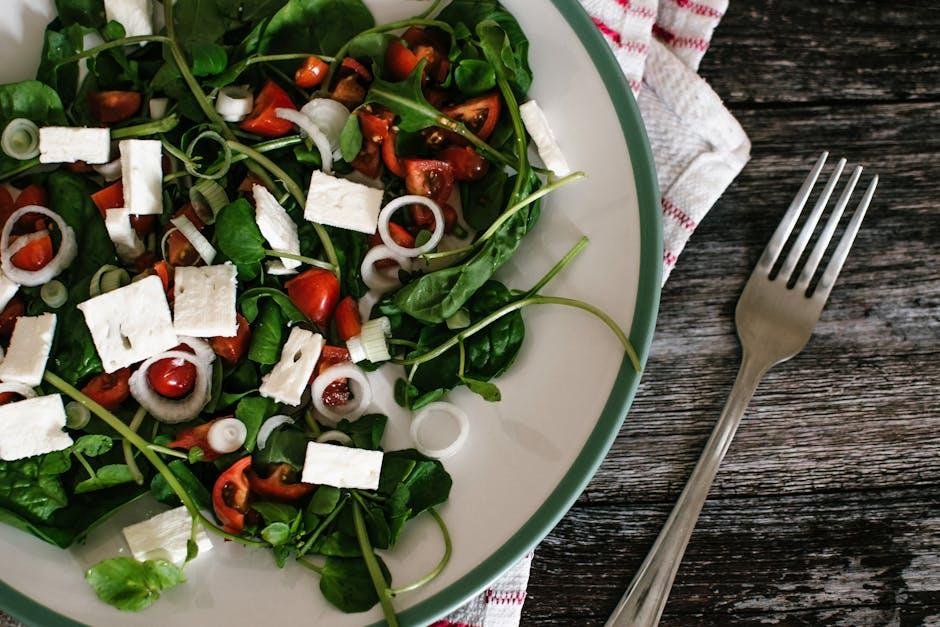
- Chickpea Salad: Mix canned chickpeas, diced cucumbers, tomatoes, and a drizzle of lemon juice for a refreshing and filling meal.
- Overnight Oats: Combine rolled oats, your choice of milk, and nuts or fruits in a jar for a nutritious breakfast that’s ready to go.
- Sweet Potato and Black Bean Tacos: Roast sweet potatoes and combine with black beans, then serve in corn tortillas for a flavor-packed treat.
To maximize your savings, consider prepping meals in advance and making use of bulk ingredients.A great way to keep track of the nutritional benefits and cost efficiency of the food you consume is to create a simple table to analyze your meals:
| recipe | Approximate Cost | Nutritional Benefits |
|---|---|---|
| Vegetable Stir-Fry | $5 | High in vitamins, antioxidants |
| Chickpea Salad | $3 | Rich in protein, fiber |
| overnight Oats | $2 | Great source of carbs, healthy fats |
| Sweet Potato Tacos | $4 | High in fiber, vitamins A & C |
In Conclusion
As we wrap up our journey through the world of clean eating on a budget, it’s clear that nourishing your body doesn’t have to come at the expense of your wallet. the principles of simplicity, creativity, and resourcefulness can transform your culinary experience, allowing you to savor wholesome meals without the financial strain.
Remember, the heart of clean eating lies in understanding what goes into your food and making thoughtful choices. By planning your meals, embracing seasonal produce, and getting inspired in your own kitchen, you can cultivate a lifestyle that prioritizes health while remaining budget-friendly.
So, as you navigate your next grocery trip or pull together your weekly menu, keep these strategies in mind.The path to clean eating is not just about what you save, but also about what you gain—energy, vitality, and a greater connection to the food you consume. Here’s to your journey ahead, where every meal is an opportunity to nourish both your body and your budget. Happy eating!