In a world bustling with dietary trends and nutritional myths, the quest for a perfectly balanced plate can often feel overwhelming. Yet, the foundation of wholesome eating lies in simplicity and awareness. Imagine a beautiful plate, artfully arranged with a vibrant array of colors, textures, and flavors—each bite a harmonious blend of nutrients designed to nourish both body and soul. In this article, we will guide you through the essential components of creating a balanced plate, drawing on the expertise of nutritionists who decode the science of healthy eating. Whether you’re a culinary novice or a seasoned home chef, this extensive guide will offer you practical tips and insights to transform any meal into a nourishing experience. step into a world where balance meets taste, and discover the joy of eating well.
Crafting Your Ideal Plate: Understanding the Components of Balanced Nutrition
Building your ideal plate involves a harmonious blend of key nutritional components. focus on incorporating whole grains, lean proteins, and colorful vegetables to create a satisfying and nourishing meal. For grains, think brown rice, quinoa, or whole-grain bread, which provide essential carbohydrates and fiber. Lean proteins can include chicken, fish, beans, or tofu, delivering necessary amino acids without excess fat. load your plate with a variety of vegetables; they not only add vibrant colors but also bring vital vitamins, minerals, and antioxidants necessary for optimal health.
Another critically important aspect of creating a balanced plate is portion control and mindful selection.aim to fill half your plate with vegetables, a quarter with lean protein, and the remainder with whole grains. This method not only ensures that your meal is balanced but also helps in managing calorie intake effectively. Below is a quick reference table to help you choose the right portions:
| Component | Proportion | Examples |
|---|---|---|
| Vegetables | 50% | Broccoli, Spinach, Bell Peppers |
| Lean Protein | 25% | Chicken, Fish, Lentils |
| Whole Grains | 25% | Quinoa, Brown Rice, Whole Wheat Pasta |

Visualizing Balance: The Role of Portion Sizes in Your meals
Understanding how to visualize balance on your plate can substantially impact your nutritional health. One powerful method to ensure you’re serving appropriate portion sizes is to utilize the hand guide, which is a straightforward way to gauge how much to eat based on your own anatomy. Such as:
- Protein: A serving should be roughly the size of your palm.
- Carbohydrates: Opt for a portion about the size of your cupped hand.
- Vegetables: Aim to fill half your plate with vegetables, using a fist as a visual cue for quantity.
- Fats: A thumb-sized portion of healthy fats like avocados or nuts will suffice.
Remember that the quality of the food is just as important as the quantity. It’s beneficial to fill your plate with a colorful variety of whole foods. Using a chart to visualize the balance of food groups can help you make informed choices, ensuring each meal is nutrient-dense:
| Food Group | Example Foods | Recommended Portion |
|---|---|---|
| proteins | Chicken, beans, fish | Palm size |
| Carbohydrates | Brown rice, quinoa, whole-grain bread | Cupped hand |
| Vegetables | Leafy greens, broccoli, carrots | Fist size |
| Fats | Olive oil, nuts, seeds | Thumb size |
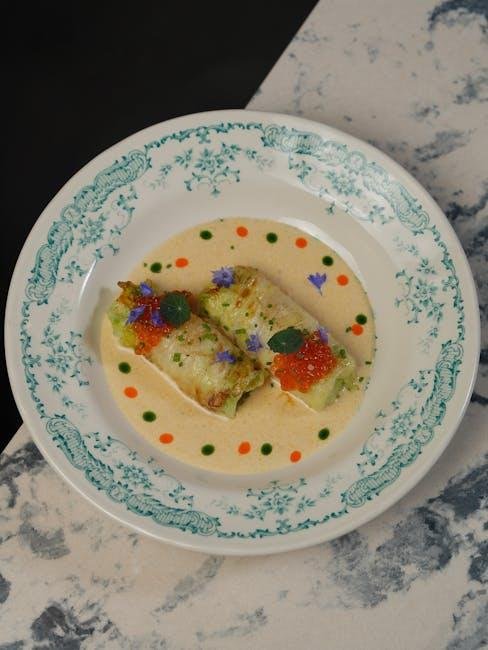
Color Your Plate: Emphasizing Variety for Optimal Health
Incorporating a spectrum of colors into your meals not only makes your plate visually appealing but also maximizes your intake of essential nutrients. Each color typically signifies different vitamins, minerals, and antioxidants, contributing to overall health. As an example,consider the following vibrant options:
- Red: Tomatoes,strawberries,and red peppers are rich in lycopene and anthocyanins.
- Orange: Carrots, sweet potatoes, and oranges provide beta-carotene and vitamin C.
- green: Spinach, kale, and avocados are loaded with iron, calcium, and healthy fats.
- Blue/Purple: Blueberries, eggplants, and purple cabbage are high in antioxidants like flavonoids.
- White/Brown: Cauliflower, garlic, and onions contain allicin and other beneficial compounds.
To further illustrate the importance of variety, let’s delve into a simple table showcasing the benefits of incorporating diverse foods into your diet:
| Color group | Food Examples | Key Nutrients |
|---|---|---|
| Red | Tomatoes, Strawberries | Lycopene, Vitamin C |
| Yellow/Orange | carrots, Mangoes | Beta-carotene, Vitamin A |
| green | Broccoli, Spinach | Fiber, Iron, Calcium |
| Blue/Purple | Blueberries, Eggplant | Antioxidants, Vitamins K and C |
| White/Brown | garlic, Mushrooms | allicin, Selenium |
By embracing the full range of colors found in fruits and vegetables, you’re not only enhancing flavor and presentation but also fortifying your health. this strategy ensures that your body reaps the rewards of a wide array of phytonutrients, promoting long-term well-being and vitality.
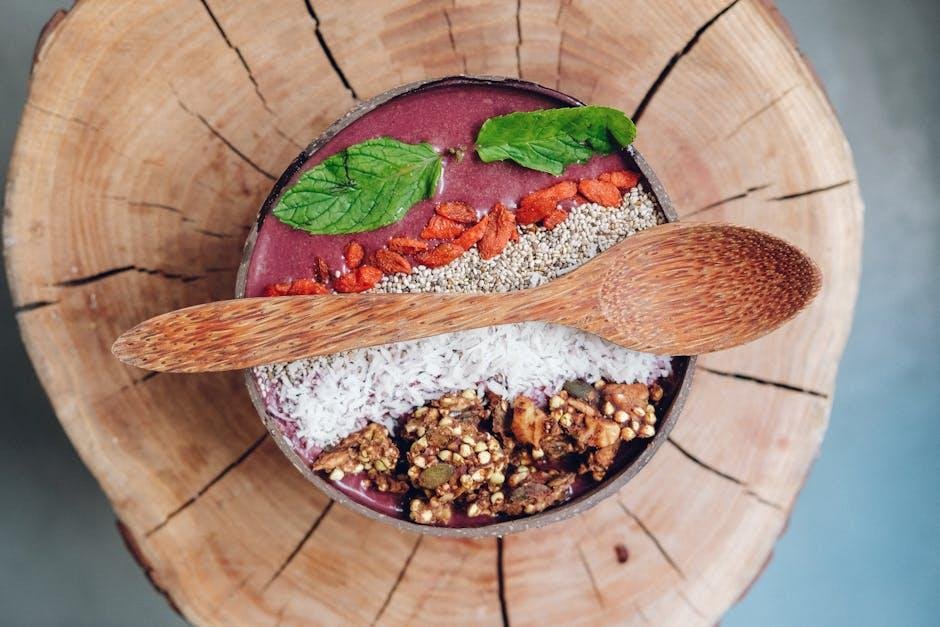
Making Informed Choices: Practical Tips for Selecting Nutrient-Dense Foods
Choosing nutrient-dense foods is essential for building a balanced plate that nourishes your body. Focus on options that provide a high ratio of vitamins, minerals, and other beneficial compounds compared to their calorie content. To help you make informed choices, consider the following tips:
- Prioritize whole foods: Opt for fresh fruits, vegetables, whole grains, lean proteins, and healthy fats whenever possible.
- Read nutrition labels: Look for foods high in fiber, low in added sugars, and free from artificial additives or preservatives.
- Incorporate a variety: Aim for a colorful plate that includes different food groups to ensure a range of nutrients.
Experimenting with new foods can also enhance your meals, making them more exciting and nourishing. To help you identify some nutrient-dense options,here’s a quick reference table you can use:
| Food Category | Nutrient-Dense Choices |
|---|---|
| Fruits | Blueberries,Avocado,Kiwi |
| Vegetables | Spinach,Kale,Bell Peppers |
| Proteins | Salmon,Quinoa,Chickpeas |
| healthy Fats | olive Oil,Nuts,seeds |
| Whole Grains | Brown Rice,Oats,Barley |
Final Thoughts
In the journey towards nourishment and well-being,crafting the perfect balanced plate is both an art and a science. By incorporating a vibrant array of food groups—fruits, vegetables, whole grains, proteins, and healthy fats—you’re not just fueling your body; you’re also creating a canvas for your culinary creativity. Remember, balance doesn’t mean restriction; it means making conscious choices that celebrate the diversity of flavors and nutrients available to us.
As you embark on this path to better eating, listen to your body and trust its signals. Each meal provides an opportunity to nourish your health, enhance your mood, and enjoy the experience of food itself. With the insights shared in this guide, you now have the tools to build your ideal plate—one that reflects your unique tastes and nutritional needs.
So, take a moment to savor the journey, experiment with new ingredients, and discover the joy of mindful eating. Your perfect balanced plate awaits—go forth and create!