Gluten-Free Baking Made Simple: Your Guide to Appetizing alternatives
In a world where dietary preferences and restrictions are becoming increasingly prevalent, the art of baking has undergone a delightful transformation. Gone are the days when gluten-free meant compromising on flavor and texture; today’s gluten-free baking opens the door to a realm of delicious possibilities. Whether you’re a seasoned baker or a curious novice,the prospect of whipping up gluten-free treats can be both exciting and daunting. But fear not! This guide is designed to simplify the process, demystify the ingredients, and empower you to create mouthwatering baked goods that everyone can enjoy—irrespective of dietary needs. Wiht a few tips and tricks up your sleeve, you’ll discover that gluten-free baking isn’t just an alternative; it’s an adventure waiting to unfold in your kitchen. So preheat your oven, gather your ingredients, and let’s embark on a flavorful journey to gluten-free goodness!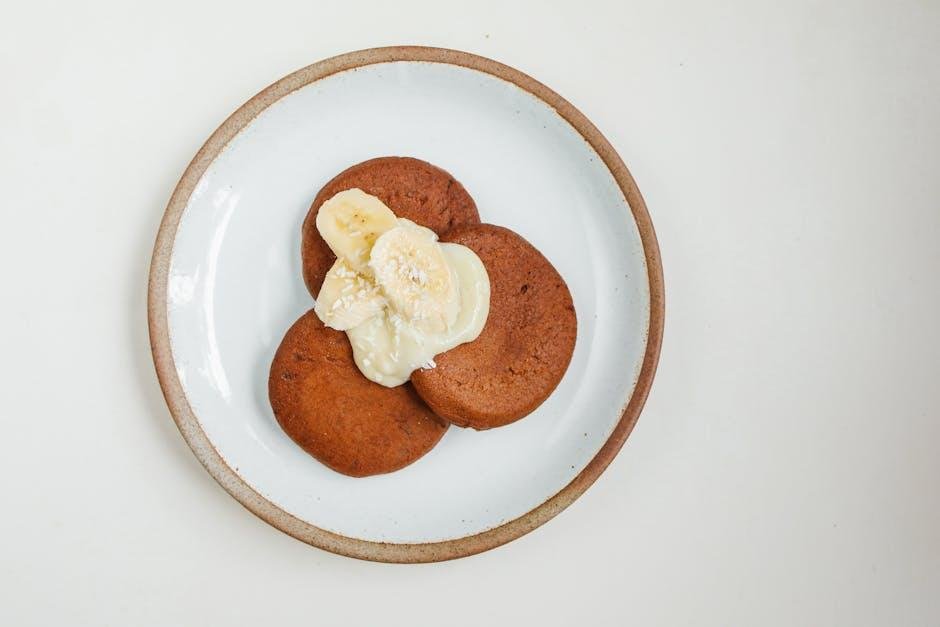
Embracing Gluten-Free Flours: A Guide to Essentials and Alternatives
Transitioning to gluten-free flours opens a world of flavors and textures that can enhance your baking. While conventional wheat flour often dominates the baking scene, gluten-free alternatives come in a variety of types, each with unique properties. Here are some essential flours to consider:
- Almond Flour: Adds a rich, nutty flavor and moisture to baked goods.
- Coconut Flour: Absorbs liquid, so a little goes a long way; notably high in fiber.
- Oat Flour: Offers a mild, slightly sweet flavor – ensure it’s labeled gluten-free to avoid cross-contamination.
- Rice Flour: A versatile option that lends a light texture to recipes.
Incorporating these flours into your recipes may require some adjustments, especially in measuring and combining them for optimal results. Often, a blend of different flours yields the best texture and flavor profile. Consider the following ratios as a guide:
| Flour Blend | Amount | Purpose |
|---|---|---|
| Almond & Coconut | 1:1 | Adds moisture and density |
| Oat & Rice | 2:1 | Provides structure |
| Chickpea & Quinoa | 1:1 | Increases protein content |

key Techniques for perfecting Texture in Gluten-Free Baked Goods
Achieving the desired texture in gluten-free baked goods can be a delightful journey of experimentation with various ingredients and techniques. A key strategy is to blend different gluten-free flours for a more complex flavor and texture profile. For example, incorporating almond flour, coconut flour, and rice flour can yield a tender crumb while maintaining structure. additionally,introducing starches like tapioca or arrowroot helps provide that elusive stretch and chew reminiscent of traditional baked goods. Don’t shy away from using xanthan gum or guar gum; these gluten substitutes can add elasticity needed for binding, ensuring your treats don’t crumble apart.
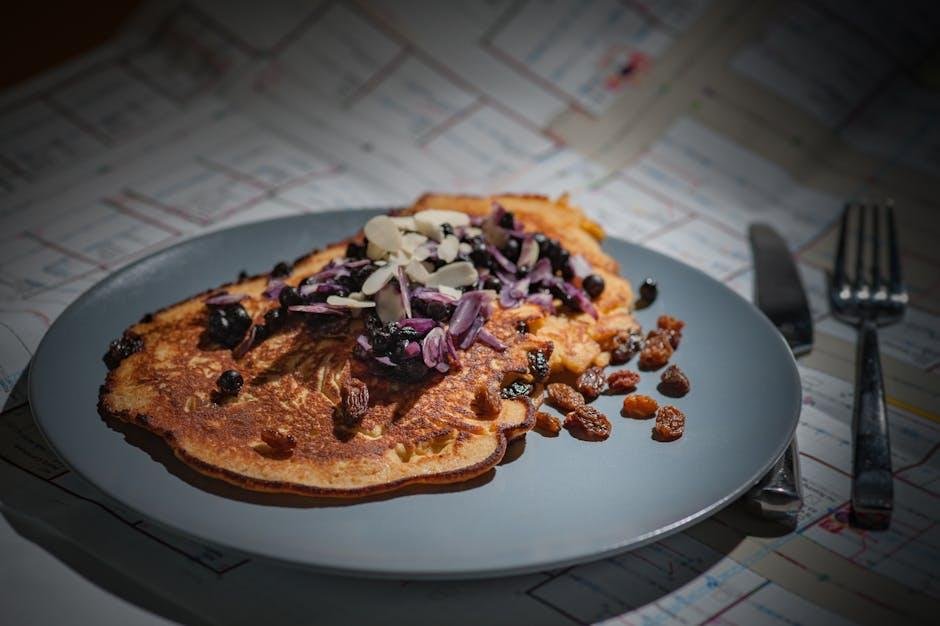
Another effective technique is hydration management. Gluten-free flours often absorb more moisture than wheat-based counterparts, so it’s vital to adjust your liquid proportions accordingly. Consider adding pureed fruits or yogurt for additional moisture and flavor,contributing to a soft texture without becoming overly dense. Experimenting with egg whites can introduce airiness to your baked goods, creating a lighter versus denser outcome. Utilizing the right leavening agents,such as baking powder or baking soda,can also enhance the texture,helping your creations rise beautifully while maintaining a moist and tender result.
Balancing Flavors: Enhancing Sweetness and Depth in Gluten-Free recipes
Creating gluten-free recipes can sometimes lead to a lack of depth in flavor, especially when working with alternative flours. to enhance sweetness while achieving a rich texture, consider integrating natural sweeteners like honey, maple syrup, or agave nectar. These ingredients not only contribute sweetness but also help to keep your baked goods moist. Pairing these sweeteners with flavorful extracts such as vanilla, almond, or coconut can introduce complexity, elevating the overall taste experience. Additionally, using a blend of gluten-free flours like almond flour, coconut flour, and brown rice flour can provide a delightful depth and a pleasingly nutty profile.
Another effective way to balance flavors in your gluten-free baking is by incorporating a variety of add-ins. Think about using dried fruits, nuts, or even spices such as cinnamon or nutmeg to create interesting flavor layers. Here’s a simple guide to some popular add-ins that can enhance both sweetness and texture:
| add-in | Flavor Contribution |
|---|---|
| Dried Cherries | Sweet and Tart |
| Chopped Walnuts | Rich and Earthy |
| Cinnamon | Warm and Spicy |
| Cacao Nibs | Bitter and Complex |
By thoughtfully selecting your sweeteners and incorporating a variety of add-ins, you can create gluten-free recipes that satisfy the palate with layers of sweetness and depth. Don’t hesitate to experiment with different combinations—your taste buds will appreciate the adventure!
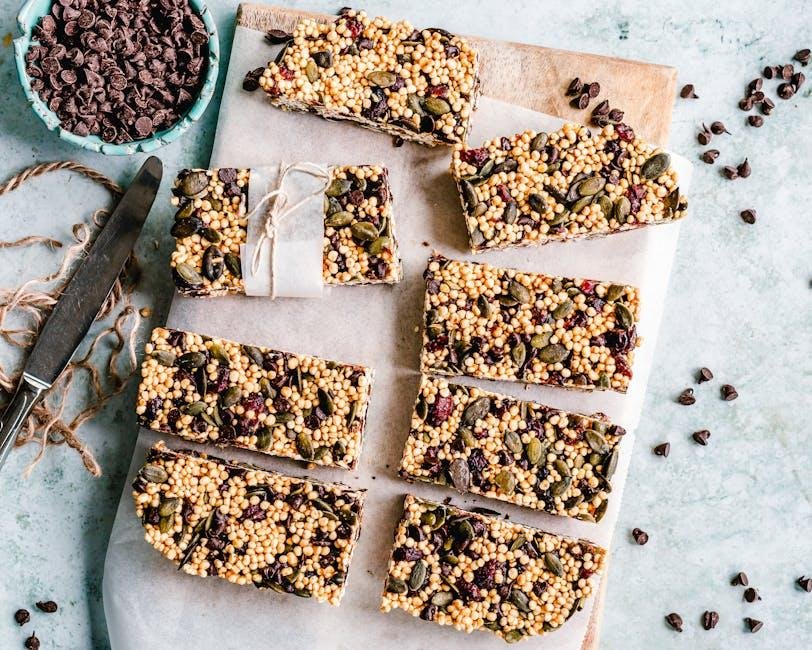
Creative Substitutions: Adapting Traditional Favorites for Gluten-Free baking
When it comes to gluten-free baking, you don’t have to miss out on your favorite treats. The key lies in selecting the right substitutes that not only replicate the texture but also enhance the flavor of your baked goods. Consider using almond flour or coconut flour in place of traditional wheat flour; these alternatives provide a nutty richness that can elevate recipes. Additionally, for binding agents, ground flaxseeds or chia seeds are excellent choices that offer a gelatinous texture, similar to that of eggs. Here are some popular substitutions to play with:
- Wheat Flour → Almond Flour or Coconut flour
- Breadcrumbs → Ground Nuts or Oats (certified gluten-free)
- Regular Milk → almond Milk or Coconut Milk
- Butter → Coconut Oil or Avocado Oil
Experimenting with these substitutes doesn’t just re-create traditional recipes; it opens a world of new combinations and flavors. As a notable example, mixing oat flour with tapioca starch can yield a wonderfully chewy texture, perfect for cookies and muffins. If you’re making fluffy cakes, a blend of rice flour, potato starch, and tapioca flour can imitate the light crumb of conventional cakes.Below is a simple comparison table to help you choose your substitution:
| Ingredient Type | Traditional Ingredient | Gluten-Free Substitute |
|---|---|---|
| Flour | All-purpose flour | Gluten-free blend (with xanthan gum) |
| Sweetener | Brown sugar | Coconut sugar |
| Baking Powder | Regular baking powder | Homemade blend (cream of tartar + baking soda) |
In Conclusion
gluten-free baking opens up a world of culinary possibilities, inviting everyone—from seasoned bakers to those just starting out—to embrace a new way of creating delicious treats. Armed with the knowledge of alternative flours, smart substitutions, and simple techniques, you can transform your kitchen into a haven of inclusive baking. Remember, experimentation is key; each recipe is a canvas waiting for your personal touch. Whether you’re whipping up a batch of cookies or a decadent cake, these gluten-free delights can be enjoyed by all. So preheat your oven, gather your ingredients, and embark on your gluten-free baking journey—where every bite is a festivity of flavor and creativity. Happy baking!