Exploring Korean Cuisine: Easy Recipes to Start With
In a world brimming with culinary delights, few cuisines offer the vibrant colors, bold flavors, and heartfelt traditions found in Korean cooking. From the sizzling goodness of bulgogi to the comforting warmth of kimchi jjigae, Korean cuisine is a harmonious blend of fresh ingredients and time-honored techniques, inviting home cooks to embark on a appetizing journey. For those eager to dive into this captivating culinary landscape, the great news is that you don’t need to be a seasoned chef to enjoy these dishes. In this article, we’ll explore a collection of easy recipes that serve as a perfect gateway to the rich tapestry of korean flavors. Weather you’re a novice in the kitchen or simply looking to expand your culinary repertoire, these approachable recipes will guide you to create your own Korean feast that tantalizes the senses and warms the soul. let’s roll up our sleeves and discover the joy of cooking Korean food, one simple dish at a time.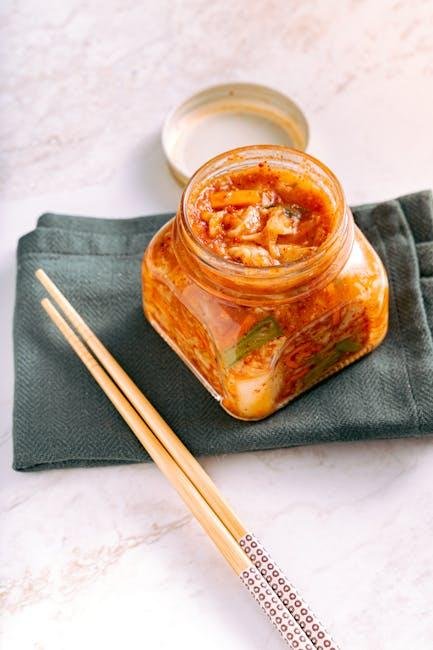
Tasting Tradition: Understanding the Soul of Korean Flavors
Korean cuisine is a vibrant tapestry of flavors, forged over centuries and deeply rooted in cultural traditions. At the heart of this culinary landscape lies a harmony of umami, spice, and sweetness, which reflect the natural bounty of the land. Ingredients like gochujang (red chili paste), doenjang (fermented soybean paste), and sesame oil not only add flavor but also tell the story of resourcefulness and community. Dishes are often built around staples such as rice, vegetables, and meat, striking a balance that elevates nourishment to an art form, making every meal an invitation to share and celebrate heritage.
Unique cooking methods, such as fermentation, play a crucial role in shaping the complexity of Korean flavors. With kimchi as a prime example, this timeless dish showcases the art of preservation while delivering unparalleled depth and tang. Customary meals frequently enough include a variety of banchan—small side dishes served alongside the main course—that enhance the dining experience. Each component, from spicy pickled radishes to sweetened potato pancakes, contributes to a seasonal mosaic of taste.Embarking on the culinary journey through these recipes not only introduces you to the joy of cooking but also opens a window into the spirited essence of Korea’s culture.
Essential Ingredients: Building Your Korean Pantry
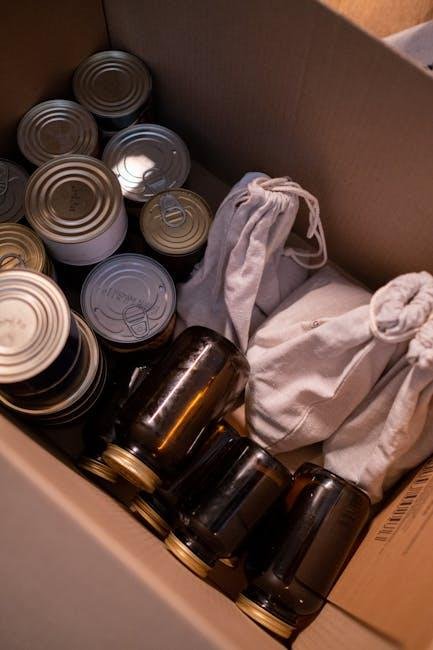
To embark on your journey into Korean cooking, stocking your pantry with the essential ingredients is crucial. Each component adds distinct flavors and textures that define Korean cuisine, enabling you to recreate authentic dishes in your own kitchen. Key staples include:
- Gochugaru – Korean red pepper flakes, offering a mild, smoky heat.
- Doenjang – fermented soybean paste, providing a rich umami flavor.
- Gochujang – A spicy-sweet chili paste that’s a must for many recipes.
- Sesame oil – Adds a nutty fragrance, enhancing dishes from salads to stir-fries.
- Soy sauce – Differing types are used, with some being sweeter and others more savory.
In addition to these essentials, consider incorporating some fresh ingredients that will elevate your dishes. for a well-rounded Korean pantry, keep the following on hand:
- Kimchi – Fermented vegetables, typically Napa cabbage or radishes, a cornerstone of Korean meals.
- Scallions - Used in many dishes for added flavor and garnish.
- Tofu – Versatile protein that works in soups,stir-fries,and salads.
- Noodles – Such as soba or sweet potato noodles, which are essential for dishes like Japchae.
- Rice – The staple carbohydrate, best when prepared with short-grain varieties.

Simple Dishes to Delight: Easy Recipes for beginners
Korean cuisine is a delightful blend of flavors and textures, perfect for those new to cooking. One of the most approachable dishes is Bibimbap, a colorful rice bowl topped with sautéed vegetables, a fried egg, and your choice of protein. To make it,prepare a variety of seasonal vegetables such as carrots,zucchini,and spinach. Arrange these vibrant ingredients over a bed of steamed rice, add a dollop of gochujang (spicy red pepper paste), and top it with a sunny-side-up egg for that perfect finish. This dish is not only visually appealing but also allows for creativity with ingredients based on your preference. Here’s a rapid breakdown of key ingredients you’ll need:
- Steamed rice
- Carrots, julienned
- Zucchini, julienned
- Spinach, blanched
- Protein of choice (beef, tofu, or chicken)
- Gochujang
- Fried egg
Another simple yet satisfying recipe to try is Kimchi Fried Rice. Utilize leftover rice and combine it with kimchi, a fermented vegetable side dish that brings a spicy kick to the meal. Start by stir-frying diced onions and kimchi, then fold in cooked rice and a splash of soy sauce. You can add a sprinkle of sesame oil for an aromatic touch and finish with a fried egg on top. It’s an excellent way to use up ingredients while embracing the hearty flavors of Korean cooking. Below is a quick guide to the essentials for this dish:
| Ingredient | Quantity |
|---|---|
| Cooked rice | 2 cups |
| Kimchi | 1 cup (chopped) |
| Onion | 1 medium (diced) |
| Soy sauce | 2 tablespoons |
| Sesame oil | 1 teaspoon |
Cooking Techniques: Mastering the art of Korean Cuisine
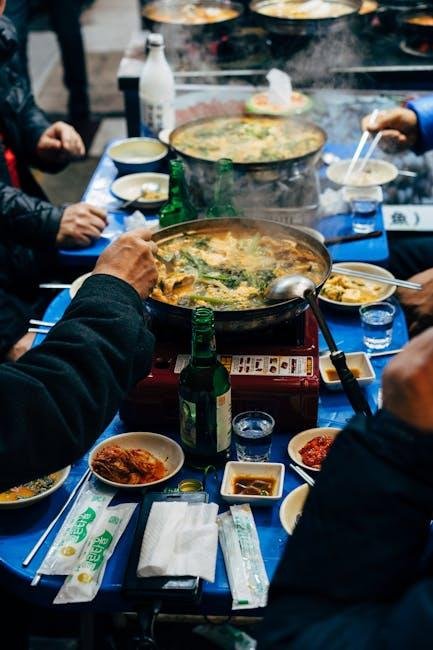
When it comes to Korean cuisine, the techniques that elevate its dishes are rooted in tradition and intricacy. Mastering the art begins with fermentation, a cornerstone of many Korean flavors. Kimchi, the famous fermented vegetable dish, is not just a side but a representation of patience and deep flavor profiles. Techniques like pickling and marinating are also essential. The interplay of ingredients creates layers of umami and spice that define korean dishes. As an example,bulgogi,marinated beef,showcases the magic of a simple marinade that transforms ingredients into a flavorful feast. Understanding the balance of sweet, spicy, and savory helps in crafting dishes that embody the essence of Korean cooking.
Additionally, techniques such as stir-frying and steaming are pivotal in achieving the right texture and taste. Stir-frying allows for quick cooking, preserving the color and crunchiness of vegetables, while steaming creates a delicate taste and maintains nutritional value. Some key elements to incorporate include:
- Fresh ingredients: Prioritize local produce for the best flavors.
- Signature sauces: master gochujang and doenjang for authentic taste.
- Presentation: Embrace the art of plating—colorful and vibrant dishes create an appealing experience.
| Technique | Key Ingredients | Flavor Outcome |
|---|---|---|
| Fermentation | Vegetables, gochugaru | Bold and tangy |
| Stir-frying | Meat, vegetables | Crispy and savory |
| Steaming | Fish, dumplings | Delicate and moist |
In Summary
As we close our culinary journey through the vibrant and diverse world of Korean cuisine, it’s clear that the richness of flavors and the artistry behind each dish offer an irresistible invitation to home cooks everywhere. From the comforting embrace of kimchi stew to the delightful crunch of a perfectly cooked bibimbap, these easy recipes serve not just as a gateway into the kitchen, but also as a passport to a culture steeped in tradition and hospitality.Embracing Korean cooking is more than just a feast for the palate; it’s a party of family,community,and shared moments around the table.So whether you’re a seasoned chef or a curious beginner,we encourage you to roll up your sleeves and experiment with these dishes,allowing your own personal touch to bring them to life.
Remember, every great cook started somewhere, and the journey of flavor is best traveled with an open heart and a dash of creativity. Now, gather your ingredients, turn up the heat, and let the delicious world of Korean cuisine enrich your dining experiences. Happy cooking!