Exploring Africa’s Most Flavorful Dishes: A Culinary Journey Through the Continent’s Rich Tapestry
Africa,a continent bursting with life,culture,and diversity,is equally rich in gastronomy. Each of its 54 countries offers a unique array of flavors, shaped by its history, geography, and the myriad cultures that inhabit it. From the spicy stews of West Africa to the fragrant tagines of North Africa, the culinary landscape is as varied as the languages spoken in its bustling marketplaces. In this article, we embark on a flavorful journey to uncover some of Africa’s most iconic dishes, celebrating the ingredients and traditions that have stood the test of time. Join us as we navigate this vibrant tapestry of taste, discovering how each dish tells a story of its own and reveals the soul of a continent.
A Culinary Journey Through Africa’s Rich Tapestry
The vibrant and diverse culinary traditions across Africa reflect a continent rich in history, culture, and flavors. Each region tells a story through its dishes, highlighting local ingredients and traditional cooking methods. From the spices of North Africa to the wholesome grains of West Africa, the culinary landscape is as varied as its people. Discover the essence of traditional meals like tagine, a slow-cooked stew distinctive of Moroccan cuisine, and jollof rice, a beloved West African staple known for its tantalizing heat and rich tomato flavor.
Throughout this remarkable journey, savor the textures and aromas that typify African cuisine. many dishes are steeped in communal practices, frequently enough best enjoyed with family and friends. Some notable delicacies include:
- Injera – A sourdough flatbread from Ethiopia,served with various stews.
- Bunny Chow – A Durban classic featuring curry served in a hollowed-out loaf of bread.
- Bobotie - A flavorful south African dish made with spiced minced meat topped with egg custard.
| Dish | Country | Main Ingredients |
|---|---|---|
| Tagine | Morocco | Lamb, vegetables, spices |
| Couscous | North Africa | Semolina, vegetables, meats |
| Biltong | South Africa | Dried meat, spices |
unveiling the Spices: The Heart of African Flavors
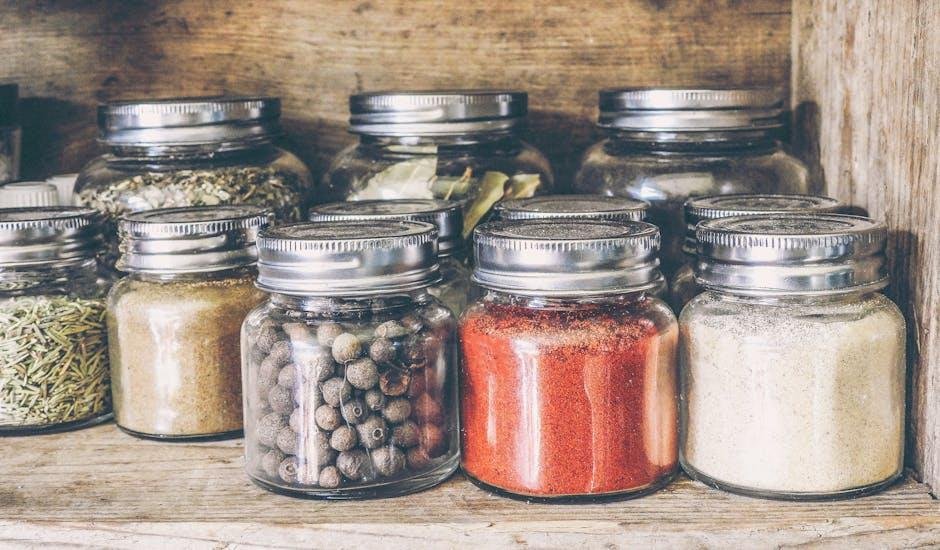
Africa’s culinary landscape is a vibrant tapestry woven together by a myriad of spices, each carrying stories from ancient trade routes and culinary traditions. At the core of this rich tapestry are the unique spices that define various regional dishes. These ingredients not only enhance flavor but also reflect the cultural heritage and agricultural bounty of the continent. For instance,the berbere spice mix from Ethiopia infuses dishes with warmth and complexity,while the fragrant cardamom found in east Africa elevates both sweet and savory offerings. Commonly featured spices across African cuisines include:
- Cumin – A staple in North African tagines
- Coriander – Used in various dishes from dips to stews
- Ginger – Adds warmth to dishes across the continent
- Turmeric – Distinctive for its vibrant colour and earthy flavor
- Pimento – Popular in the Caribbean-influenced West African cuisine
The use of spices extends beyond mere flavor; they frequently enough carry meaningful health benefits and play essential roles in rituals and celebrations. For exmaple,paprika enhances stews in Southern africa while doubling as a cultural symbol of hospitality.Local markets burst with color and aroma, showcasing spices that come from every corner of the continent, ready to inspire culinary creativity. When blended harmoniously, these components elevate typical meals into remarkable experiences. To illustrate the influence of these spices across different countries,the table below highlights a few iconic dishes and their signature spices:
| Country | Dishes | Signature Spices |
|---|---|---|
| ethiopia | Doro Wat | Berbere |
| Morocco | Tagine | Cumin,Saffron |
| Ghana | Jollof Rice | Thyme,Ginger |
| South Africa | Bobotie | Curry Powder |

Signature Dishes from Region to Region
From the spicy stews of West Africa to the serene flavors of East Africa, the continent boasts a kaleidoscope of culinary traditions. In Nigeria, Jollof Rice reigns supreme, featuring a vibrant mix of tomatoes, onions, and spices—perfectly paired with fried plantains or grilled chicken. Moving east, Ugali is a staple in Kenya, a dense maize porridge often served with sukuma wiki, a delicious sautéed kale, and accompanied by various meats or fish. Similarly, in Ethiopia, you will find Doro Wat, a rich chicken stew imbued with berbere spice and served with injera, a traditional sourdough flatbread that doubles as both a dish and utensil.
the southern part of the continent brings forth its own unique flavors,with Bunny Chow in South Africa taking center stage—this dish consists of a hollowed-out loaf of bread filled with flavorful curry,reflecting the exquisite blend of Indian and African cuisines. Meanwhile, in Morocco, Tagine showcases slow-cooked dishes named after the earthenware pot they are cooked in, combining tender meats, vegetables, and spices like saffron. Each flavor profile tells a story, as evident in the diverse cooking techniques and ingredients sourced from local environments, making Africa’s culinary landscape a rich tapestry woven by its many cultures.

Essential Ingredients for Your African Cooking Experience
Embarking on a culinary journey through Africa requires a deep appreciation for the essential ingredients that form the backbone of its vibrant cuisine. These ingredients not only contribute to the tantalizing flavors but also reflect the diverse cultures and traditions of the continent. Here are some key components you should have in your pantry:
- Spices: Include cumin, coriander, paprika, and cardamom for depth in dishes.
- herbs: fresh herbs like cilantro and basil brighten and enhance flavors.
- Starches: Meals often revolve around staples such as rice, cassava, and yam that serve as hearty bases.
- Proteins: Incorporate lentils, goat, chicken, and fish to add substance and richness.
The true essence of African cooking lies in its regional specialties, each telling a story of its own through unique ingredient combinations. Understanding the role of these elements can elevate your dishes significantly. Refer to the table below for a glimpse into some popular regional ingredients:
| Region | Key Ingredients |
|---|---|
| Northern Africa | Harissa, Couscous, Dates |
| West Africa | Peanut Butter, Chili Peppers, Plantain |
| East Africa | Berbere, Injera, Coconut |
| Southern Africa | Biltong, Braai Spice, Maize |
Future Outlook
As we conclude our culinary journey through Africa’s most flavorful dishes, it becomes clear that each plate tells a story—a vibrant tapestry woven from diverse cultures, histories, and ingredients. From the spicy aromas of West African jollof rice to the delicate balance of spices in North African tagines, the continent offers a feast that transcends mere sustenance.
Each dish invites us to explore not only the rich traditions of its origins but also the shared experiences that food fosters. As you venture into these flavors, consider not just the taste, but the cultural significance and the passion that drives every recipe. Whether you find yourself in a local restaurant, a family kitchen, or experimenting in your own home, remember that each bite is an opportunity to connect with Africa’s rich heritage.
so,gather your ingredients,ignite your curiosity,and let your palate wander across this diverse landscape. In every flavor, you’ll uncover a world waiting to be savored. Happy cooking and bon appétit!