India, frequently enough dubbed the ’Land of Spices’, is a vibrant tapestry woven with the aromas of its diverse culinary heritage. From the fiery heat of red chilies that tingle the palate to the earthy warmth of cumin that soothes the senses, India’s spices offer a journey through its rich history and culture. Each region boasts its own unique blend, telling stories of ancient trade routes, local traditions, and the culinary ingenuity of its people. In this article, we invite you to embark on a sensory exploration of India, uncovering the importance of its spices not just as ingredients, but as integral elements of its identity. join us as we delve into the origins,uses,and cultural importance of these treasured flavors,revealing how they encapsulate the spirit of a nation revered for its diversity and dynamism.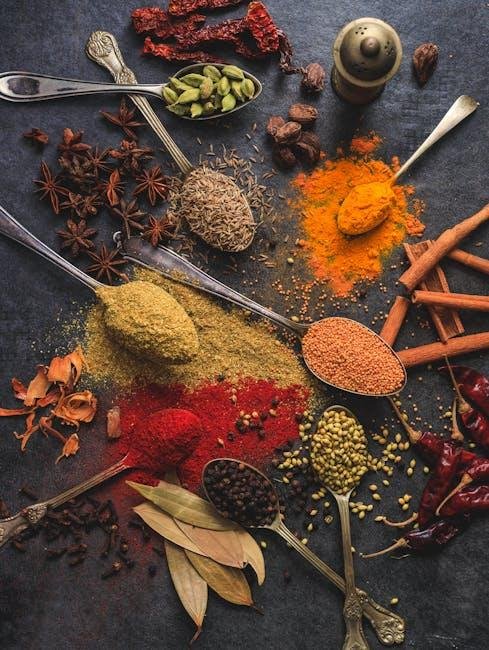
Exploring the Flavorful Diversity of Indian Spices
India’s rich tapestry of flavors is intricately woven through its diverse spices, each bringing its unique character and aroma to the culinary landscape. From the fiery heat of red chili powder to the aromatic sweetness of cardamom, these spices play a crucial role in elevating dishes beyond the ordinary.Consider the following key spices that not only enhance flavor but also offer health benefits:
- Cumin – Earthy and warm, often used in curries and rice dishes.
- Coriander – Adds a subtle sweetness, perfect for chutneys and marinades.
- Turmeric – Known for its anti-inflammatory properties, it adds a golden hue to dishes.
- Fenugreek - Slightly bitter, used in lentil dishes and pickles for added complexity.
These spices don’t just lend their vibrant colors and bold flavors; they also tell a story of regional traditions and cultural heritage. Each spice has its origin,with specific varieties flourishing in distinct parts of the country. A closer look reveals:
| Spice | Origin Region | Common Uses |
|---|---|---|
| Mustard Seeds | West Bengal | pickles, tadka (tempering) |
| Saffron | Kashmir | Pulao, Desserts |
| Black Pepper | Kerala | Meat Dishes, Spice mixes |
The Culinary heritage: Historical significance of Spices in India
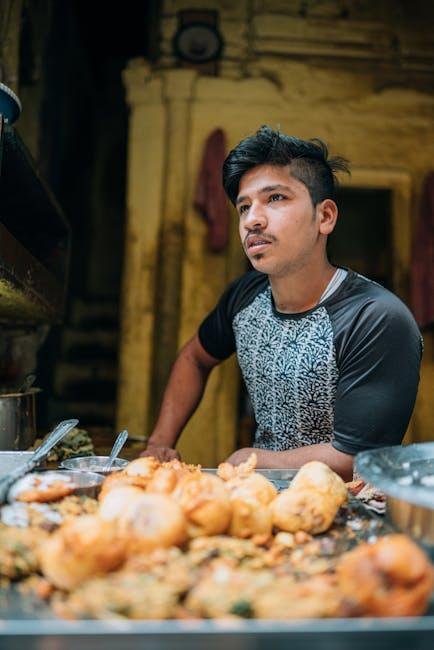
For centuries, spices have served as the lifeblood of Indian culture, intertwining themselves with the fabric of society, trade, and daily life. Each spice, from the ubiquitous turmeric to the exotic cardamom, has a story to tell, resonating with deeper meanings and rituals. The oldest spice trade routes, known as the Silk Road and Spice Route, transformed India into a melting pot of cultures, promoting not just economic exchange but also the fusion of culinary practices. This intricate network facilitated the transference of not only spices but also religion, art, and philosophies, enabling a unique cultural tapestry that defines India today.
The historical significance of these spices is also reflected in indian cuisine, were they are not merely ingredients but essential elements that symbolize hospitality and tradition. The rich diversity of spices contributes to the vast spectrum of regional dishes, each thus rich with unique flavors and techniques.For instance, the spicy curries of the South differ vastly from the fragrant biryanis of the North, showcasing a regional identity and shared heritage through culinary arts. Spices like cumin and coriander have turned cooking into an expressive art form, while also playing critical roles in traditional medicines, marking a profound intersection of health and gastronomy in Indian society.
| Spice | Region | Historical Use |
|---|---|---|
| Tumeric | All of India | Used in religious ceremonies and as a healing agent |
| Black Pepper | Kerala | Trade commodity and symbol of wealth |
| Cardamom | Southern India | Flavor enhancer in sweets and savory dishes |
from Market to Kitchen: Practical Tips for Sourcing Authentic Spices
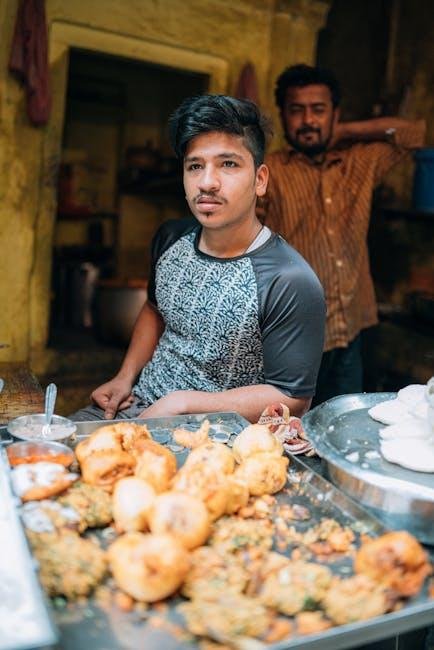
To truly embrace the vibrant flavors of Indian cuisine, it’s essential to seek out spices that are not just authentic but also fresh. When visiting local markets, look for stalls run by vendors who are passionate about their craft.Here are a few tips for sourcing the best spices:
- Engage with Your Vendor: Ask questions about their sourcing practices and the origin of their spices. Having a conversation can reveal a wealth of knowledge.
- Check for Freshness: Opt for whole spices over pre-ground ones, as they retain their flavor longer. Look for rich, vibrant colors and avoid anything that looks dull or faded.
- Smell and Taste: Don’t hesitate to ask for a sniff or a taste test. Fresh spices will have a potent aroma and an intense flavor profile.
Understanding the names and forms of common spices can also guide your shopping experience. Below is a rapid reference table outlining some popular indian spices, their typical uses, and purchasing tips:
| Spice Name | common Uses | Tip for Purchase |
|---|---|---|
| Cumin | Curries, rice dishes | Choose whole seeds for better flavor |
| Coriander | chutneys, marinades | look for fragrant seeds or ground varieties |
| Turmeric | Soups, dals | Select deep yellow roots for authenticity |
Crafting Signature Dishes: Recipes that Celebrate India’s Spice Culture
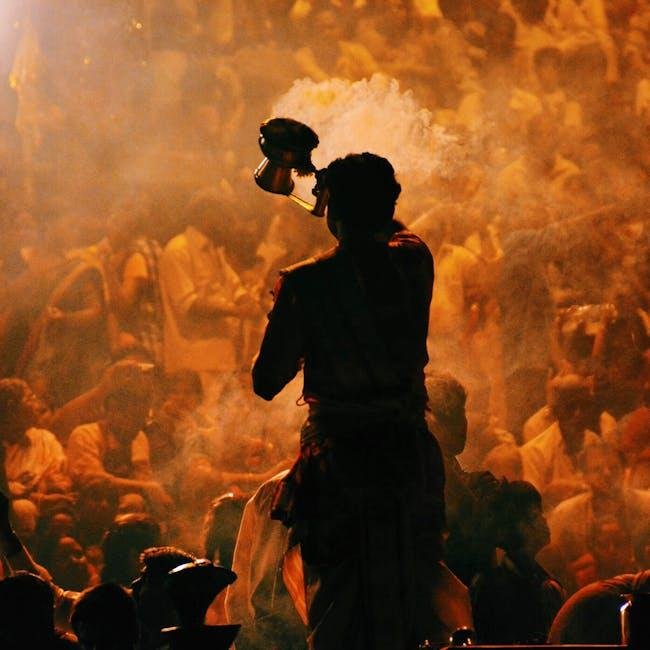
India’s vibrant tapestry of flavors is woven together with an exquisite array of spices, each telling its own story.At the heart of this culinary narrative lie dishes that not only tantalize the palate but also showcase the rich heritage and diverse regional offerings. For instance, the aromatic Biryani, a fragrant rice dish, is layered with marinated meats, herbs, and an assortment of spices like saffron, cardamom, and cinnamon, creating a festival of flavors in every serving. Similarly,the beloved masala Dosa features a crispy rice and lentil crepe,filled with a spiced potato mixture and accompanied by flavorful chutneys that enhance its savory profile.
The true magic of Indian cooking resides in the symphony of spices that transform everyday ingredients into culinary masterpieces. Consider the Butter Chicken—a creamy, tomato-based dish infused with a blend of garam masala, fenugreek, and a hint of cayenne for kick. To encapsulate the essence of India’s spice culture, here’s a quick look at a few signature dishes and their main spices:
| Dish | Main Spices |
|---|---|
| Butter Chicken | garam Masala, Kasuri Methi, Cayenne Pepper |
| Biryani | Saffron, Cardamom, Cinnamon |
| Masala Dosa | Mustard Seeds, Turmeric, Chili Powder |
Future Outlook
As we conclude our flavorful journey through India’s vibrant tapestry of spices, we find that each ingredient tells a story, weaving together the cultural, historical, and culinary threads of this diverse land. The tantalizing aromas and vivid colors of cumin, cardamom, turmeric, and coriander not only enhance our dishes but also serve as a gateway to understanding the rich heritage and traditions of Indian life.
Whether you are a seasoned chef or a curious food enthusiast, discovering India through its spices invites you to explore beyond the plate, connecting with the hearts and homes of its people. As you experiment with these age-old ingredients in your own kitchen, let their diverse meanings and uses inspire your culinary creativity and deepen your recognition for this amazing country.
In every sprinkle of spice lies the essence of India, waiting to be unraveled by your own hands. So the next time you reach for that jar of garam masala or saffron, remember: you’re not just cooking; you’re partaking in an age-old narrative that continues to unfold with each meal shared and each flavor savored.Happy cooking and bon appétit!