A Beginner’s Guide to cooking Authentic Thai Dishes
Step into a world of vibrant flavors, aromatic herbs, and tantalizing spices as we embark on a culinary journey through the heart of Thailand. Known for its exquisite balance of sweet, sour, salty, and spicy, Thai cuisine is a feast for the senses and a celebration of tradition. For those who find themselves yearning to recreate the magic of authentic thai dishes in their own kitchens, this guide is crafted just for you. Whether you’re an inexperienced cook or simply new to the enchanting realm of Thai cooking, we will explore essential ingredients, cooking techniques, and classic recipes that will transform your meals into a Thai culinary experience. Get ready to chop, stir, and savor your way to mastering the art of Thai cooking, one delicious dish at a time.
Essential ingredients for authentic Thai Cooking
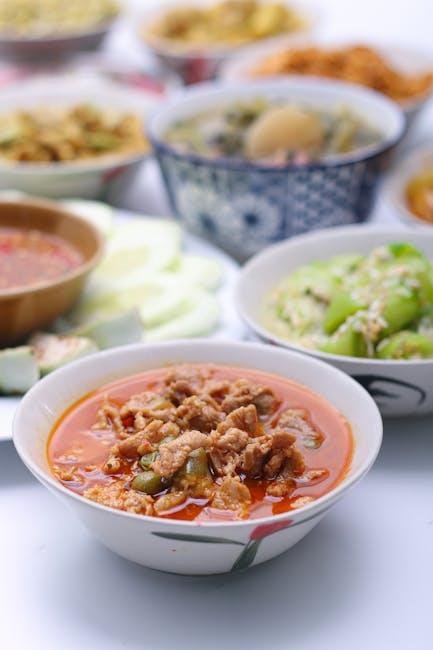
To embark on your journey towards authentic Thai cooking, understanding the essential ingredients is crucial. Thai cuisine uniquely balances sweet, salty, sour, and spicy flavors, and these ingredients help achieve that delicate harmony. Here are some key staples you’ll want to stock up on:
- Fish Sauce: A basic ingredient that adds umami and saltiness.
- Thai Chili Peppers: For those who crave heat, these tiny but mighty peppers are a must.
- Galangal: Similar to ginger but with a distinct, sharp flavor that is irreplaceable.
- Cilantro: Used in both cooking and as a garnish to brighten dishes.
- Lemongrass: Adds a citrusy aroma and zest to soups and curries.
- Thai Basil: Its unique flavor is a staple in many Thai dishes,especially stir-fries.
Additionally, incorporating fresh vegetables and herbs will enhance the authenticity of your meals. Different regions in Thailand use varied produce, so don’t hesitate to explore! Here’s a fast overview of commonly used vegetables and herbs:
| Ingredient | Flavor Profile |
|---|---|
| Thai Eggplants | Bittersweet and crunchy |
| Snow peas | Sweet and crisp |
| Green onions | Mildly spicy with a fresh bite |
| Mint Leaves | Refreshing and aromatic |
Mastering Fundamental Thai Techniques
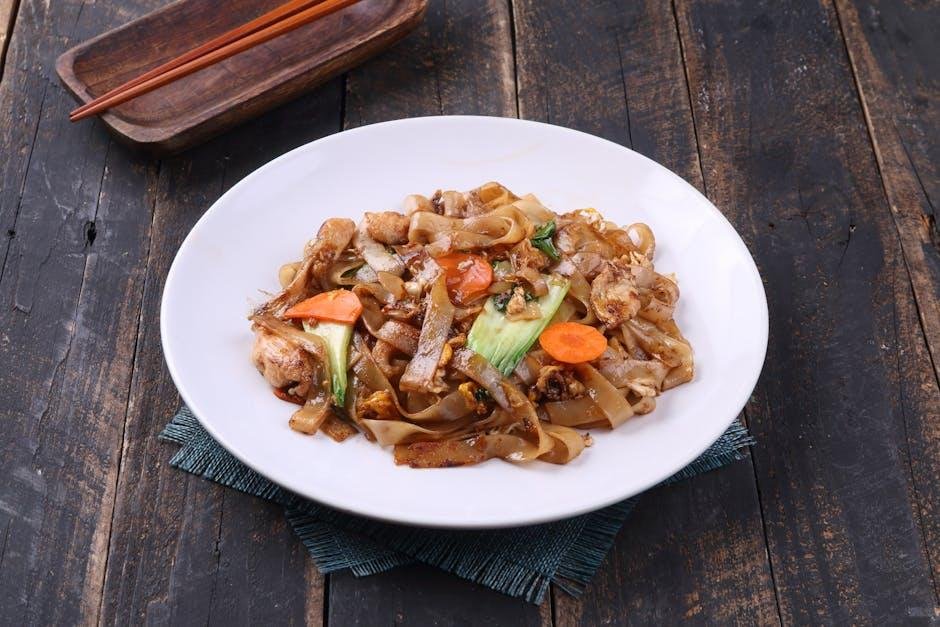
To truly embrace the art of Thai cooking, understanding the essential techniques is crucial.Wok cooking, for instance, is not just about the tool; it’s a method that imparts a unique smoky flavor to meals. Stir-frying at high temperatures with constant movement ensures that ingredients retain their vibrant colors and textures. Additionally, tempering spices is a fundamental skill that transforms the flavor profile of any dish. Begin by heating oil and adding whole spices to release their aromatic oils before incorporating them into your dishes. This method enhances the depth and complexity of the flavors characteristic of thai cuisine.
Another vital technique is making curries from scratch. Start by grinding essential ingredients such as lemongrass, galangal, and makrut lime leaves to create a rich paste that serves as the backbone for many Thai curries. A simple table can definitely help illustrate the ingredients for a basic curry paste:
| Ingredient | Amount |
|---|---|
| Lemongrass | 2 stalks |
| Galangal | 1-inch piece |
| Garlic | 4 cloves |
| Shallots | 2 (medium) |
| Chili peppers | 5 (or to taste) |
Mastering these techniques will not only elevate your cooking but also deepen your appreciation for the nuances that define authentic Thai cuisine. With practice, the vibrant flavors and aromas of Thailand will soon fill your kitchen, bringing an authentic dining experience to your table.
Exploring Regional Flavors in Thai Cuisine
Thai cuisine is a vibrant tapestry woven from the rich agricultural diversity and cultural influences of its regions. Each area offers distinct flavors and unique ingredients that reflect local customs and produce. As a notable example, the northern region is celebrated for its use of fresh herbs and spices, yielding dishes like Khao Soi, a creamy coconut curry noodle soup topped with crispy noodles. Meanwhile, the southeastern area is famous for its fruity and tangy flavors, epitomized by the iconic Som Tum, a spicy green papaya salad that bursts with freshness and zest. Understanding these regional differences not only enhances your culinary skills but also elevates your appreciation for the multifaceted nature of Thai food.
To get started on your culinary adventure, experimenting with fresh ingredients typical to each region is key. incorporating essential herbs such as lemongrass, kaffir lime leaves, and Thai basil can infuse your dishes with authentic flavors. Here’s a simple guide to regional ingredients:
| Region | Key Ingredients |
|---|---|
| North | mint, Fish Sauce, Sticky rice |
| Central | Coconut Milk, Chilies, rice Noodles |
| North-East | Fermented Fish, Peanuts, Thai Chili Paste |
| South | Seafood, Turmeric, Palm Sugar |
By immersing yourself in the regional nuances of ingredients, you’ll discover how to create authentic Thai dishes that resonate with the heart of this vibrant culture. Embrace the journey of flavor exploration by creating your own interpretations and sharing them with family and friends, bringing a piece of Thailand into your kitchen.
Tips for Creating Your Own Thai-inspired Dishes
Creating your own thai-inspired dishes can be an exhilarating adventure in the kitchen. To capture the essence of Thai cuisine,consider incorporating the five fundamental flavors: sweet,sour,salty,bitter,and umami. Start with fresh herbs and spices such as lemongrass,kaffir lime leaves, and Thai basil,which are essential components.don’t hesitate to experiment with ingredients; blend coconut milk with lime juice for a delicious sauce or mix fish sauce with palm sugar for a flavorful dressing.
| Flavor | Common Ingredients | Usage Tips |
|---|---|---|
| Sweet | Brown sugar, honey, coconut milk | Add gradually to balance sour notes. |
| Sour | Lime juice, tamarind | Use fresh for brighter flavors. |
| Salty | Fish sauce, soy sauce | Start with small amounts to avoid overpowering. |
| Bitter | Thai herbs, bitter greens | Balance with sweetness or sourness. |
| Umami | Fermented shrimp paste, mushrooms | Enhance depth of flavor in curries and sauces. |
To elevate your dish, don’t overlook garnishing; a sprinkle of toasted peanuts or a dash of chili flakes can add a delightful crunch and extra flavor. When plating, make sure to consider color and texture, as presentation plays a significant role in Thai cuisine.Always taste your dish before serving; adjust seasonings as necessary to achieve that perfect balance. Remember, cooking is as much about intuition as it is about technique, so trust your palate and enjoy the process!
To Conclude
As you embark on your culinary journey through the vibrant flavors of Thai cuisine, remember that cooking is not just about following a recipe; it’s about embracing the spirit of adventure and creativity that each dish represents. By starting with the fundamental techniques and balancing the essential ingredients of sweet, sour, salty, and spicy, you’ll develop a deeper appreciation for the art of Thai cooking. whether you’re whipping up a fragrant curry or a refreshing salad, let each meal be a celebration of the rich traditions and festivities that define this amazing cuisine. So, gather your ingredients, don your apron, and allow your kitchen to transform into a little slice of Thailand. With patience and practice, you’ll not only gain confidence as a cook but also bring the heart of Thai culture into your home. Happy cooking!