In a world where culinary indulgence often collides with health-conscious choices,finding a balance between comfort and nourishment can feel like an insurmountable challenge. Comfort food, with its nostalgic flavors and warm embrace, holds a special place in our hearts and kitchens. Yet, as our understanding of nutrition evolves, so does the desire too transform these beloved dishes into clean-eating versions that honor both taste and well-being. In this article, we will explore innovative techniques and ingredient swaps that allow you to savor the flavors of your favorite comfort foods without compromising your health goals. Join us on a culinary journey that breathes new life into classic recipes, proving that wholesome eating doesn’t have to be bland or boring. It’s time to rediscover the joy of cooking and reclaim the kitchen as a space for both comfort and vitality.
Embracing the Nutritional Makeover of Your Favorite Dishes
Transforming your comfort food staples into healthier alternatives doesn’t mean compromising on taste. By focusing on substituting ingredients, you can maintain the beloved flavors while enhancing the nutritional profile. For example, consider swapping out conventional pasta for whole grain or legume-based varieties, which are rich in fiber and protein.You might also replace heavy creams with Greek yogurt or pureed cauliflower to create a creamy texture without the excess calories. Other effective substitutions include:
- Using zoodles or spaghetti squash instead of regular pasta
- Opting for savory oats in place of rice or grains
- Incorporating nut butters to add healthy fats and flavor
- Using homemade dressings instead of store-bought versions loaded with preservatives
Another element to consider is the method of preparation. Baking, grilling, or steaming your favorite dishes can significantly reduce the need for added fats while retaining thier delightful crunch and flavor.For those traditional comfort foods such as mac and cheese, replace the full-fat cheese with a mix of nutritional yeast and lower-fat cheese or a vegetable-based sauce. Below is a simple comparison of traditional versus healthier ingredients that can inspire your clean-eating journey:
| traditional Ingredient | Healthier Option |
|---|---|
| White Rice | Quinoa |
| Ground Beef | ground Turkey or Lentils |
| Regular Cream | Coconut Cream or Greek Yogurt |
| White Sugar | Honey or Maple Syrup |
Incorporating Whole Ingredients for Wholesome Flavor
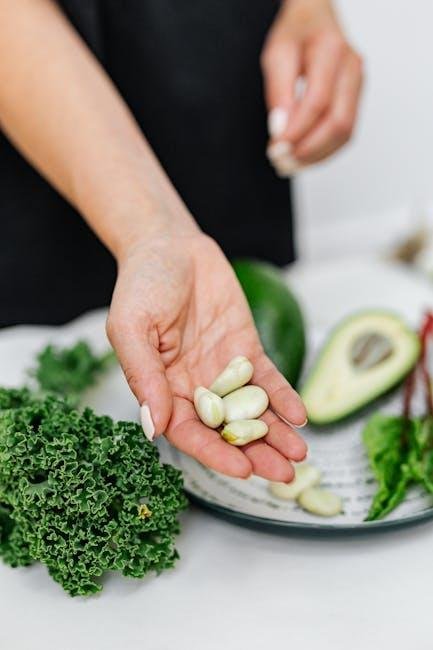
Transforming your favorite comfort foods into clean-eating masterpieces is all about embracing the beauty of whole ingredients. These are the foundational elements that not only bring life to your dishes but also enhance their nutritional value. By focusing on items that are as close to their natural state as possible, you can create meals that are satisfying, flavorful, and guilt-free. Consider incorporating ingredients like:
- Quinoa instead of refined pasta
- Cauliflower as a low-carb alternative to rice or potatoes
- Black beans for a protein-packed addition to chili
- Sweet potatoes as a base for casseroles instead of white potatoes
This approach allows you to maintain the rich flavors you love while adding a nutrient boost. Taking it a step further, you can even explore the power of herbs and spices to elevate flavors without added calories. Rather of heavy sauces, bring zest to life with:
- Fresh basil in your pasta dishes
- smoked paprika for a smoky kick in stews
- Cilantro to brighten up tacos or salads
- Ginger for an aromatic touch in stir-fries

Creative Cooking Techniques to Enhance Health Benefits
Transforming traditional comfort foods into clean-eating variations requires not just substituting ingredients, but also adopting creative cooking techniques that maximize nutrition. Techniques such as steaming, roasting, and grilling can significantly enhance the natural flavors of ingredients while preserving essential vitamins and minerals. For example, when preparing mac and cheese, consider using cauliflower instead of pasta for the base. By steaming the cauliflower and blending it into a creamy sauce with nutritional yeast and dairy-free milk, you can create a guilt-free version that doesn’t skimp on taste.
Another effective strategy is to utilize smart seasoning and herb infusions to elevate your dishes. incorporating fresh herbs like basil, cilantro, and thyme can add a burst of flavor without the need for excess salt or unhealthy fats. You can also experiment with spiralizing vegetables into noodles, allowing you to enjoy classic dishes like spaghetti and meatballs while significantly reducing carbohydrates and increasing fiber intake. Check out the table below for a quick comparison of comfort food substitutions that maintain the essence while enhancing health benefits:
| Traditional Ingredient | Healthy Substitute |
|---|---|
| White Rice | Quinoa |
| Ground Beef | Ground Turkey or Lentils |
| Potato Chips | Baked Kale Chips |
| Ice Cream | Frozen Banana Sorbet |

Satisfying Your Cravings with Guilt-Free Alternatives
Transforming your favorite comfort foods into clean-eating alternatives doesn’t have to be a daunting task. With a little creativity and a few ingredient swaps, you can satisfy those cravings while still sticking to your health goals.Start by identifying the key flavors and textures you love in your classic dishes and think about ways to replicate them. For example, if you adore creamy pasta, consider using zucchini noodles or whole grain pasta paired with a homemade avocado sauce to deliver that rich creaminess without the extra calories. Here are some quick swaps to consider:
- Cauliflower rice rather of white rice
- Greek yogurt as a substitute for sour cream
- Chickpea flour for regular flour in baked goods
- Unsweetened applesauce in place of oil or butter
Another approach is to focus on enhancing the nutritional value of your comfort food favorites by incorporating wholesome ingredients. for example, if lasagna is your guilty pleasure, try layering roasted vegetables like spinach, mushrooms, and bell peppers alongside whole grain noodles. Don’t forget to use low-fat cheese or even a cashew-based cheese for a dairy-free twist! You can create a visual breakdown of how these alternatives stack up nutritionally, making smart choices easier. here’s a quick comparison of traditional ingredients versus clean-eating substitutes:
| Traditional Ingredient | Guilt-Free Alternative | nutritional Benefit |
|---|---|---|
| Heavy Cream | Coconut Milk | Lower fat,dairy-free |
| White Sugar | Stevia or Honey | Lower glycemic index |
| Ground Beef | Ground Turkey or Lentils | Lower in saturated fat |
In Conclusion
In the journey from comfort food to clean eating,the key lies in balance and creativity. By embracing wholesome ingredients and innovative cooking techniques, we can transform beloved classics into nutritious alternatives without sacrificing flavor. Remember, the essence of comfort food is not just in the ingredients, but in the feelings it evokes. With a dash of creativity and a sprinkle of mindfulness, you can savor the warmth of your favorite dishes while nourishing your body. So, gather your ingredients, don your apron, and embark on this culinary adventure—where old favorites meet new beginnings, and every bite is a step towards a healthier you. Here’s to making comfort not just a fleeting indulgence, but a sustainable, flavorful lifestyle!