In a world increasingly attentive to health, sustainability, adn ethical eating, plant-based milks have surged in popularity, offering a delightful array of alternatives to traditional dairy. From creamy oat to nutty almond, these non-dairy beverages have captured the hearts (and taste buds) of consumers seeking options that align with their lifestyles. But with dozens of varieties on the market, how do you decipher which plant-based milk reigns supreme? In this article, we’ll embark on a tasty expedition to rank these popular alternatives from best to worst. Join us as we explore the flavors, textures, nutritional benefits, and environmental impacts of your favorite plant-based milks, ensuring you make an informed choice the next time you reach for that carton. Whether you’re a seasoned vegan, lactose-intolerant, or simply curious, read on to find out where your go-to option lands on our ranking!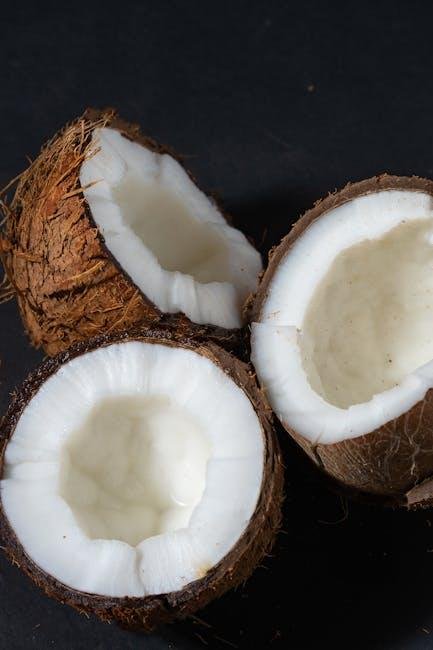
exploring Nutritional Benefits of Plant-Based milks
As the demand for plant-based alternatives rises, so does the curiosity surrounding their nutritional profiles. Each type of plant-based milk offers unique benefits, making it essential to understand their attributes before incorporating them into your diet. Among the most popular choices are almond, soy, oat, and coconut milks, and each brings something different to the table:
- Almond Milk: Low in calories, rich in vitamin E, and offers a light, nutty flavor.
- Soy Milk: High in protein and contains essential amino acids, making it a great alternative for those looking to replace dairy’s protein content.
- Oat Milk: Contains beta-glucans that can enhance heart health; it’s creamy and naturally sweet.
- Coconut Milk: Provides healthy fats, notably medium-chain triglycerides (MCTs), which may support metabolism.
The overall nutritional value can vary widely, so it’s important to choose unsweetened versions whenever possible to avoid added sugars. Below is a comparison of the typical nutritional content per cup (240ml) of these milks:
| Milk Type | Calories | Protein (g) | Fat (g) | calcium (DV %) |
|---|---|---|---|---|
| Almond Milk | 30 | 1 | 2.5 | 20% |
| Soy Milk | 100 | 8 | 4.5 | 30% |
| Oat Milk | 120 | 3 | 5 | 25% |
| Coconut Milk | 45 | 0 | 5 | 10% |

Flavor Profiles: Finding the Right Taste for Your Palate
When embarking on the exploration of plant-based milks,it’s essential to consider how different flavor profiles cater to diverse palates. The primary varieties on the market, including almond, oat, soy, and coconut, each present unique characteristics that can enhance or alter the experience of your morning coffee or cereal bowl. As a notable example, almond milk is frequently enough lauded for its subtly nutty flavor which can add a touch of sophistication to smoothies, while coconut milk introduces a creamy tropical essence that pairs beautifully with desserts or curries.
Each type of plant-based milk also comes with its own set of nutritional benefits, which can influence your choice not only based on taste but also on health preferences. For example, soy milk is known for its high protein content akin to that of cow’s milk, making it a favorite among those looking to maintain muscle mass on a plant-based diet. On the other hand, oat milk has surged in popularity thanks to its naturally sweet flavor and creamy texture, perfect for lattes. here’s a simple comparison of the taste and nutrition profiles of the top contenders:
| Plant-Based Milk | Flavor Profile | Key Nutritional Highlight |
|---|---|---|
| Almond | Nutty, light | Low in calories |
| Oat | Sweet, creamy | High in fiber |
| Soy | neutral, versatile | High in protein |
| Coconut | Tropical, rich | Contains healthy fats |

Sustainability Matters: Environmental Impact of Milk Alternatives
In recent years, the rise of plant-based milks has sparked vigorous discussions around sustainability and environmental impact. These alternatives have emerged partly as a response to the significant ecological footprint associated with traditional dairy farming.For example, the production of almond milk involves vast amounts of water, particularly in regions facing drought, while oat milk is considered more sustainable due to its lower water consumption and the ability to grow oats in various climates. It’s essential to recognize the balance of benefits and drawbacks among the different options available in the market.
When evaluating the environmental impact of various plant-based milks, consider the following factors:
- Water usage: The volume of water required for cultivation can vary considerably.
- Carbon footprint: Some milks produce greenhouse gases during production and transportation.
- Land use: Not all crops require the same amount of land, influencing biodiversity.
To better illustrate this concept, the table below summarizes the water usage and carbon footprint of some popular milk alternatives:
| Plant-Based Milk | Water Usage (liters per liter) | Carbon Footprint (kg CO2 per liter) |
|---|---|---|
| Almond Milk | 378 | 0.5 |
| Oat Milk | 48 | 0.4 |
| Soy Milk | 28 | 0.3 |
| Coconut Milk | 560 | 0.7 |

Culinary Versatility: Best Uses for Each Plant-Based Option
Each plant-based milk offers a unique flavor profile and nutritional benefits, making them suitable for various culinary applications. For instance, almond milk is light and slightly sweet, which makes it ideal for cereals and smoothies. It can also be used as a dairy substitute in baked goods,enhancing their moisture and flavor without overpowering the original ingredients. On the other hand, oat milk has a rich and creamy texture, perfect for coffee drinks like lattes and cappuccinos, where it froths beautifully to create an indulgent experience. Its natural sweetness also makes it a fantastic companion for pancakes and waffle batters.
When it comes to soy milk,its high protein content and neutral flavor make it a go-to choice for savory dishes,including stir-fries and creamy sauces. It can stand in for traditional dairy in recipes such as homemade mac and cheese or creamy soups. Meanwhile, coconut milk lends itself beautifully to desserts and tropical dishes, with its rich, exotic flavor enhancing puddings, curries, and smoothies. Cashew milk is smooth and versatile, serving as an excellent base for creamy dressings and soups, adding a nutty nuance to your dishes. The table below summarizes the best uses for each plant-based milk, highlighting their unique characteristics:
| Plant-Based Milk | Best Uses |
|---|---|
| Almond Milk | Cereals, smoothies, baked goods |
| Oat Milk | Coffee drinks, pancakes, waffles |
| soy Milk | Savory dishes, creamy sauces |
| Coconut Milk | Desserts, tropical dishes |
| Cashew Milk | Creamy dressings, soups |
In Summary
As we wrap up our exploration of the vast and varied world of plant-based milks, it’s clear that each option brings its own unique flavor, texture, and nutritional benefits to the table. Whether you’re a long-time almond milk enthusiast or a newcomer intrigued by oat milk’s creamy allure, there’s a plant-based beverage to suit every palate and lifestyle.
In ranking these milks from best to worst, we’ve aimed to provide a extensive guide to help you make informed choices based on your taste preferences, dietary needs, and cooking applications. Remember, the “best” milk is subjective; it’s all about what works for you.
So, as you head to your grocery aisle or whip up a smoothie, consider experimenting with different options. You might just find a new favorite that enhances your culinary adventures and aligns with your values. Cheers to discovering the perfect plant-based milk that complements your unique journey toward health and sustainability!