A Guide to Making authentic Chinese Home Dishes: Embarking on a Culinary Journey
In a world where culinary globalization has turned kitchens into melting pots of flavors, few cuisines manage to evoke as much intrigue and reverence as Chinese cooking. Rich in history and tradition, the art of preparing authentic Chinese dishes is not merely about following a recipe; it’s a symphony of techniques, ingredients, and cultural narratives that have been passed down through generations. This guide invites you to embark on a culinary journey, exploring the vibrant tapestry of flavors that define Chinese home cooking. From the sizzling woks of street vendors to the welcoming tables of family gatherings, we’ll uncover the secrets behind beloved dishes, share tips for sourcing ingredients, and provide insights into the time-honored practices that make each meal a party.Whether you are a novice eager to explore new culinary horizons or a seasoned cook looking to deepen your understanding of this sophisticated cuisine, this guide is designed to inspire and empower you to bring the authentic tastes of China into your own home. Let’s unlock the door to a world of flavors and aromas that promise to warm both the heart and the palate.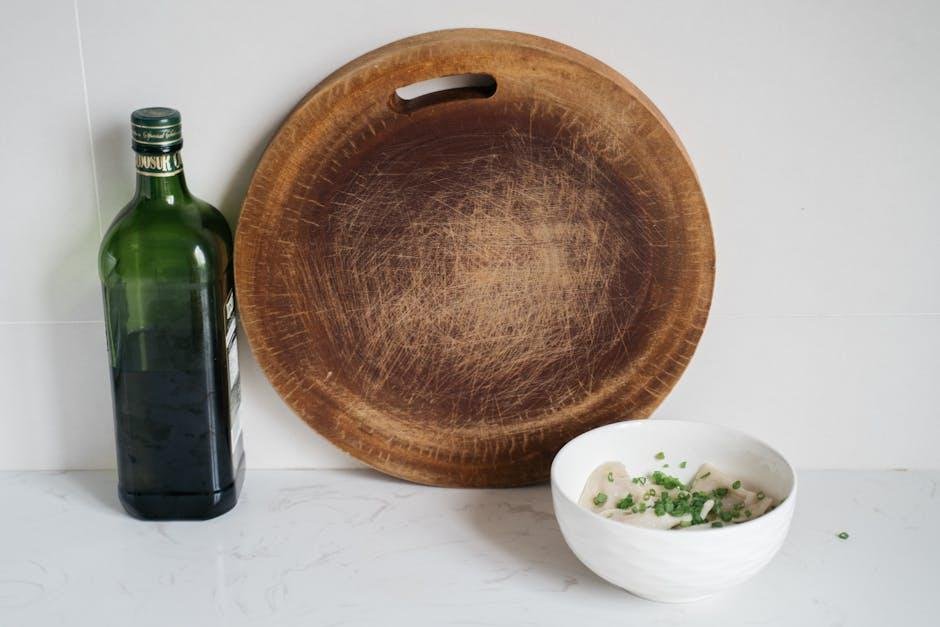
Exploring the Essentials of Chinese Cooking Ingredients
To embark on a culinary journey through Chinese cuisine, understanding the essential ingredients is paramount. A well-stocked pantry enables aspiring chefs to recreate authentic flavors that have been cherished for generations. Begin with the following foundational staples:
- Soy Sauce: This is a versatile component, providing umami and rich color to dishes.
- Rice Vinegar: Essential for dressings and marinades, it adds a tangy brightness.
- Sesame Oil: Typically used as a finishing oil, it imparts a distinct, nutty aroma.
- Chili Oil: For those who enjoy spice, chili oil adds heat and depth.
- Ginger and Garlic: These aromatic ingredients form the base of many stir-fries and sauces.
While these staples serve as the backbone, regional ingredients elevate the authenticity of your dishes. Consider expanding your culinary repertoire with these key items, which may vary based on the type of Chinese cuisine:
| Ingredient | Region | Common Uses |
|---|---|---|
| Tofu | Sichuan | Hot pot, stir-fries |
| Shanghai Noodles | Shanghai | Stir-fried dishes |
| Dried Mushrooms | Cantonese | Braising and soups |
| Star Anise | Southern China | stews and braised meats |
Mastering Techniques for Traditional Preparation
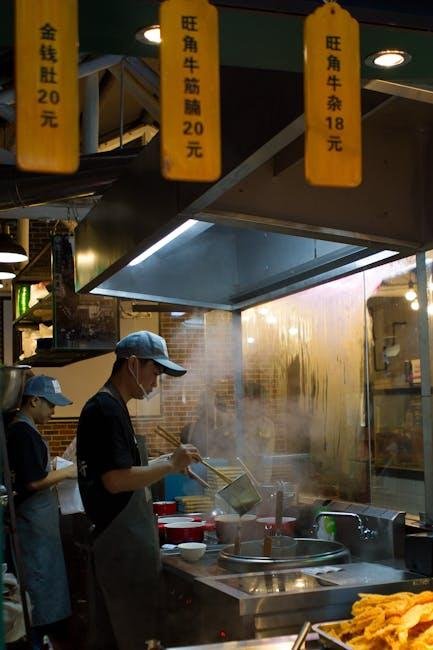
To truly create authentic Chinese home dishes, mastering traditional preparation techniques is essential. Whether it’s the delicate art of chopping vegetables or the rhythmic motions of stir-frying, each step enhances the overall flavor and presentation of the dish. here are some basic techniques you should focus on:
- Knife Skills: Proper chopping, mincing, and slicing techniques to ensure uniform cooking and appealing textures.
- Stir-Frying: Utilizing high heat and speedy movements to preserve the freshness and crunch of vegetables.
- steaming: Retaining moisture and nutrients, ideal for dumplings and fish dishes.
- Marinating: infusing flavors by allowing proteins to soak in sauces before cooking.
understanding the importance of seasoning is paramount in Chinese cuisine.Traditional sauces and spices not only deepen flavors but also embody the essence of various regions within China. here’s a quick overview of common seasoning agents and their roles:
| Seasoning | Role in Cooking |
|---|---|
| Soy Sauce | Provides umami and saltiness. |
| Rice vinegar | Adds acidity and balances flavors. |
| Sesame Oil | Enhances aroma and adds richness. |
| Five-Spice Powder | Imparts warmth and complexity. |

Regional Flavors: A Journey Through China’s Culinary Diversity
Exploring the myriad flavors of China is akin to embarking on a culinary adventure where each region boasts its own unique ingredients, cooking methods, and iconic dishes. From the fiery peppers of Sichuan to the subtle, sweet notes of Cantonese cuisine, every dish tells a story rooted in local traditions and history. Key regions to explore include:
- Sichuan – Known for its bold spices, particularly the numbing sichuan peppercorns.
- cantonese – Celebrated for its fresh seafood and stir-fried dishes.
- shandong – Famous for its seafood and savory pancakes.
- Jiangsu - Renowned for its delicate sweetness and precise knife work.
- Yunnan – Offers a unique blend of flavors, frequently enough using wild mushrooms and fresh herbs.
To create authentic dishes that transport you to the heart of each region, understanding the balance of flavors is essential. Here’s a simplified table showcasing some signature dishes along with their main ingredients for a clearer insight:
| dish | Region | Main Ingredients |
|---|---|---|
| Mapo Tofu | Sichuan | Tofu, ground pork, chili bean paste, Sichuan peppercorns |
| Char Siu | Cantonese | Pork, honey, five-spice powder, soy sauce |
| Peking Duck | Beijing | Duck, maltose syrup, hoisin sauce, pancakes |
| Fish-Flavored Eggplant | Sichuan | Eggplant, garlic, ginger, soy sauce, vinegar |
| N china Style Dumplings | North China | Ground meat, chives, dumpling wrappers, soy sauce |
Savory secrets: Crafting Authentic Sauces and Seasonings
Unlock the essence of authentic Chinese cuisine by mastering a few essential sauces and seasonings that can elevate any home-cooked dish. Soy sauce, oyster sauce, and sesame oil are foundational ingredients often found in traditional recipes, each bringing its own depth of flavor. to create your own variations, consider adding ingredients like fresh ginger or garlic to your sauces for that extra punch. Experimenting with the balance of sweet, sour, and savory is key; remember to incorporate rice vinegar for acidity or a hint of sugar to round out flavors. A simple stir-fry sauce can be made by combining soy sauce, oyster sauce, a splash of rice wine, and a sprinkle of sugar.
Herbs and spices also play a crucial role in authentic Chinese cooking. Incorporate star anise, Sichuan peppercorns, and coriander to your seasoning mixes for unique profiles. It’s always beneficial to toast whole spices before grinding them to release essential oils, intensifying their flavor. Below is a quick reference table to help you balance your seasonings in various dishes:
| Dish | Main Seasoning | Complementing Sauce |
|---|---|---|
| Stir-Fried Vegetables | Garlic, Ginger | soy Sauce |
| Kung Pao Chicken | Sichuan Peppercorns | Oyster Sauce |
| Beef and Broccoli | Shaoxing Wine | Hoisin sauce |
Wrapping Up
As we draw the curtains on our culinary journey through the heart of Chinese home cooking, we hope this guide has ignited your passion for preparing these time-honored dishes. The allure of Chinese cuisine lies not just in its diverse flavors and ingredients, but also in the stories and traditions woven into each recipe.Remember,the kitchen is a canvas where you can express your creativity while honoring the authenticity of each dish.
so, whether it’s the warm embrace of a comforting bowl of congee or the vibrant colors and textures of a stir-fried vegetable medley, we encourage you to roll up your sleeves and dive into the art of making these dishes. Don’t fear the imperfections; every chef has their unique touch. As you experiment,you’ll find joy in the process and satisfaction in the final creation.
Embrace the heart of Chinese home cooking – it’s about gathering loved ones around the table, sharing heartfelt meals, and savoring the flavors of life. So, grab your wok, gather your ingredients, and let the spirit of family and tradition guide you as you explore the rich tapestry of authentic Chinese dishes in your own kitchen. Happy cooking!